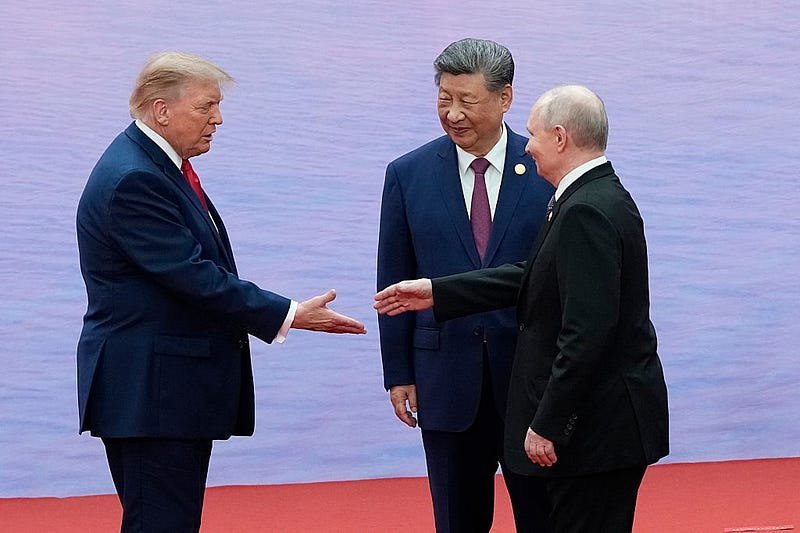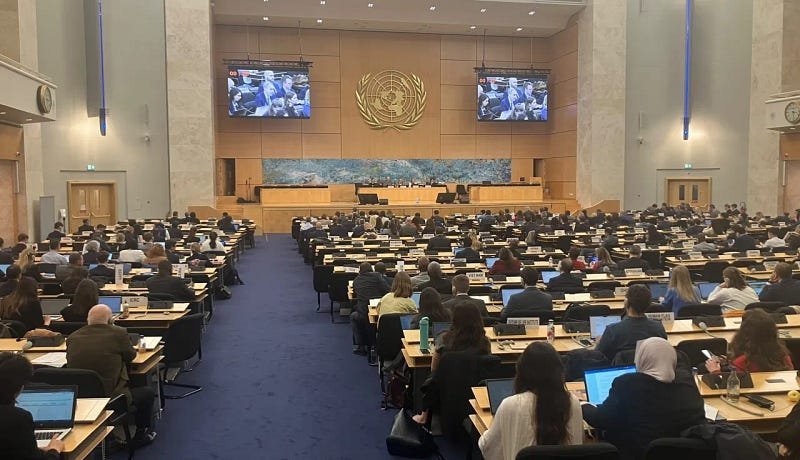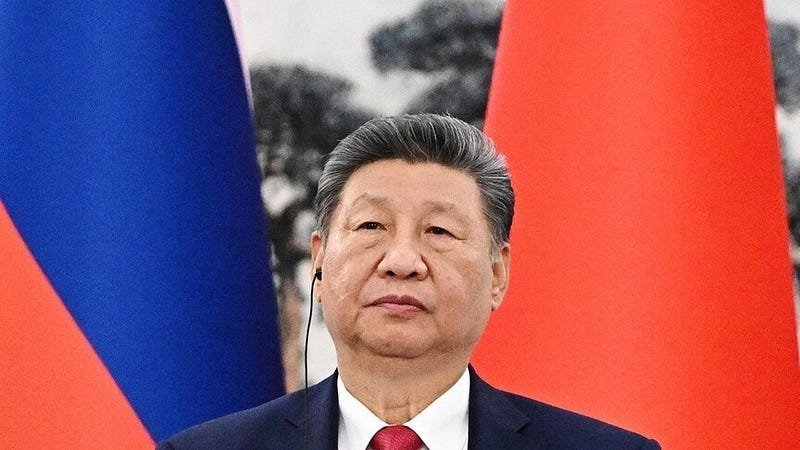
Chinese President Xi Jinping has concluded one of the most consequential diplomatic weeks of his tenure after hosting U.S. President Donald Trump and Russian President Vladimir Putin in the southern technology hub of Shenzhen for the first-ever trilateral summit among the world's three leading nuclear powers. Convened on Thursday, November 19, alongside the 33rd Asia-Pacific Economic Cooperation Economic Leaders' Meeting, the tightly choreographed gathering positioned Beijing at the center of global crisis diplomacy while showcasing Shenzhen's transformation into an innovation powerhouse. For foreign policy strategists and corporate executives in Washington, Xi's dual-track approach—blending rare personal hospitality toward Trump with assertive regional trade deals—signals China's determination to shape a multipolar order on its own terms heading into 2027.
In a striking departure from diplomatic protocol, Xi personally greeted Trump at the foot of Air Force One upon his arrival in Shenzhen before chairing their third bilateral meeting of 2026 and hosting the historic three-way talks with Putin at Kylin Villa. Opening the trilateral session, Xi declared that positive interaction among China, Russia, and the United States is not optional but a global necessity, culminating in a joint U.S.-Russia-China Heads of State Declaration toward Peace pledging nuclear risk reduction and global energy stability. According to U.S. Treasury Secretary Scott Bessent, Xi and Trump also reached a specific bilateral understanding affirming that human decision-makers—rather than autonomous artificial intelligence—must retain control over major military operations.
Beneath the cordial summit optics, however, sharp friction persists over semiconductor export controls, rare earth minerals, and Taiwan. Just two days before Trump landed in Shenzhen, the U.S. Commerce Department tightened licensing restrictions on advanced American artificial intelligence chips following allegations of Chinese intelligence targeting linked to former Nvidia chief executive Jensen Huang—moves that Beijing's Commerce Ministry condemned as economic coercion. Simultaneously, trade data released Friday showed Chinese exports of critical rare earth magnets to the United States and European Union dipped in October even as shipments to Japan surged, underscoring Beijing's continued leverage over vital defense and clean-energy supply chains. During his private talks with Trump, Xi also pressed Washington to curtail arms sales to Taiwan, warning against any moves crossing Beijing's core sovereignty red lines.
While managing superpower rivalries with Washington, Xi used the broader APEC forum to project China as a champion of open trade and inclusive growth across the Global South. Addressing 21 Pacific Rim leaders, Xi committed $20 million to support APEC practical cooperation and announced new Shenzhen-based research centers focused on digital technology, cross-border data flows, and green development. On the sidelines of the summit, the Chinese leader also met with Indonesian President Prabowo Subianto to launch formal negotiations for a bilateral comprehensive economic partnership agreement, while urging leaders from Singapore, Malaysia, and Thailand to deepen artificial intelligence collaboration with Beijing.
As APEC delegates look ahead to next year's summit in Phu Quoc, Vietnam, analysts in Washington note that Xi emerged from Shenzhen having successfully stabilized tactical relations with the White House without yielding ground on China's industrial ambitions or strategic partnership with Moscow. With unresolved U.S.-China tariff and technology disputes now deferred to next month's G20 Leaders' Summit in Miami, Xi's calibrated blend of personal diplomacy and economic statecraft sets the stage for another decisive round of superpower negotiations in December.