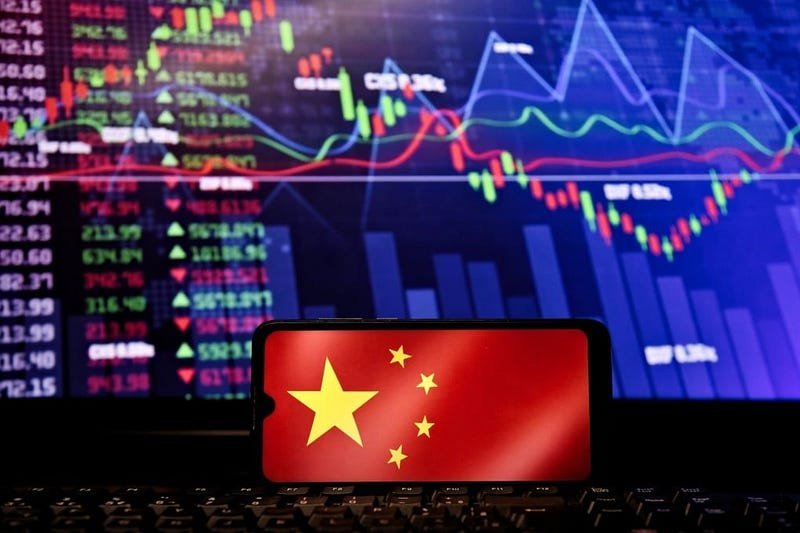
Chinese financial regulators moved decisively over the weekend to stabilize mainland equity markets, announcing on Sunday, November 22, that the minimum margin financing requirement across the Shanghai, Shenzhen, and Beijing stock exchanges will be lowered from 100 percent to 80 percent effective November 30. Approved by the China Securities Regulatory Commission, the countercyclical policy shift is projected to unleash roughly 400 billion yuan—or nearly $56 billion—in fresh borrowing capacity while easing forced-selling pressure on investors following a bruising $1.7 trillion market value rout across Chinese artificial intelligence and hardware stocks. Alongside the margin adjustment, the Shenzhen Stock Exchange unveiled draft rules to introduce market makers on its technology-focused ChiNext board and extended trading and bond fee waivers through 2028. For institutional investors and corporate strategists in the United States, Beijing's targeted market intervention underscores growing pressure on policymakers to defend investor confidence while navigating structural economic headwinds at home and escalating technology restrictions abroad.
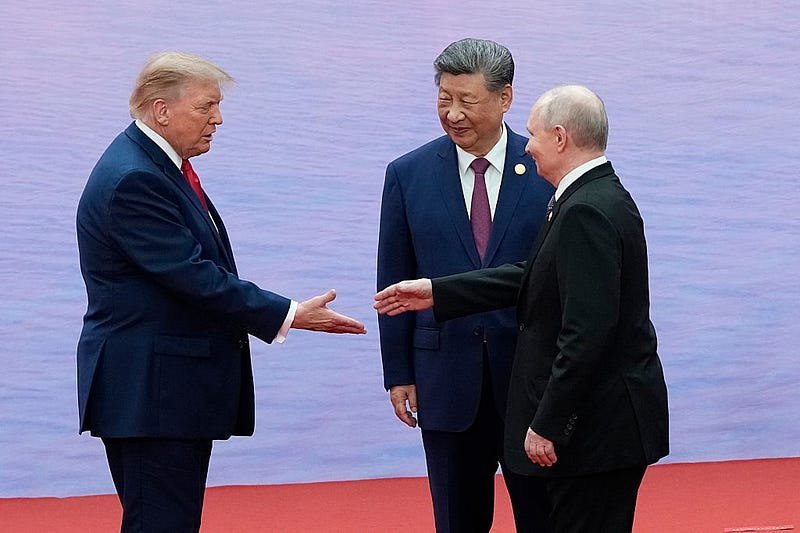
The market stabilization package arrives just days after the conclusion of the 33rd Asia-Pacific Economic Cooperation summit in Shenzhen, where warm diplomatic optics between President Xi Jinping and U.S. President Donald Trump failed to produce immediate tariff relief or resolve deep-seated commercial disputes. While both leaders agreed to draft an action plan for bilateral strategic stability, multinational corporations and agricultural exporters remain on edge ahead of the January 10, 2027 expiration of the current U.S.-China trade truce, when suspended retaliatory tariffs, rare earth export controls, and port fees could snap back into force. Although China has largely stayed on track with its 2026 soybean purchasing commitments, uneven progress across other American farm goods and lingering Section 301 tariffs continue to inject volatility into cross-border commodity planning
Simultaneously, China's ambitious semiconductor and artificial intelligence sectors are confronting a sharp tightening of American export controls. Following federal investigations into third-country chip diversion and remote data center access across Southeast Asia, the U.S. Commerce Department issued expanded computing restrictions aimed at cutting off Chinese firms from advanced Nvidia processors rented via regional cloud providers in hubs such as Malaysia. While domestic chipmakers including Semiconductor Manufacturing International Corporation and Huawei are racing to capture domestic market share from restricted foreign suppliers, global fund managers warn that elevated mainland hardware valuations remain vulnerable to further correction even as Hong Kong-listed internet giants such as Alibaba trade at steep discounts.
On the macroeconomic front, China's broader economy continues to exhibit a sharp divergence between surging external trade and sluggish domestic demand. Custom data indicates China's overall merchandise trade surplus remains on pace to surpass $1 trillion for a second consecutive year—even after an unprecedented $209 billion gold import spree helped temper the headline surplus—while real economic growth hovers near 4.5 to 4.6 percent. At home, however, a prolonged property slump that saw real estate investment drop 21 percent in the first nine months of the year has strained local government finances, prompting officials to tighten tax collection and social insurance enforcement while rolling out targeted mortgage interest subsidies to revive household consumption.
To offset trade friction with Washington and Brussels, Beijing is aggressively deepening commercial ties across Asia-Pacific neighbors. On Monday, November 23, Chinese Vice Premier Ding Xuexiang is co-chairing the 22nd Joint Council for Bilateral Cooperation in Singapore with Deputy Prime Minister Gan Kim Yong, where the two governments are finalizing more than 20 agreements spanning digital trade, financial integration, artificial intelligence, and green development. Combined with Premier Li Qiang's Friday pledge at the China-Australia CEO Roundtable in Beijing to ensure a stable business environment for Australian enterprises, China's economic leadership is working on multiple fronts to anchor regional supply chains heading into 2027.