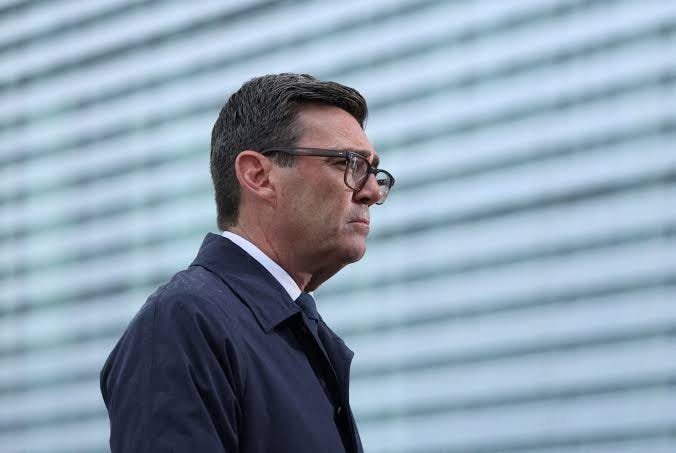
British Prime Minister Andy Burnham is preparing to address the House of Commons on Monday, November 23, to champion a sweeping post-Brexit cooperation agreement struck with European Union leaders in Brussels late last week. Having assumed office in July 2026 after succeeding Keir Starmer as Labour Party leader, the former Greater Manchester mayor is framing Friday's summit breakthrough as the single largest economic growth measure of the current Parliament, projecting it will inject £17 billion into the British economy. For economic strategists and policymakers in the United States, London's decisive pivot back toward Brussels signals a pragmatic recalibration of European trade and security architecture ten years after the historic 2016 Brexit referendum.
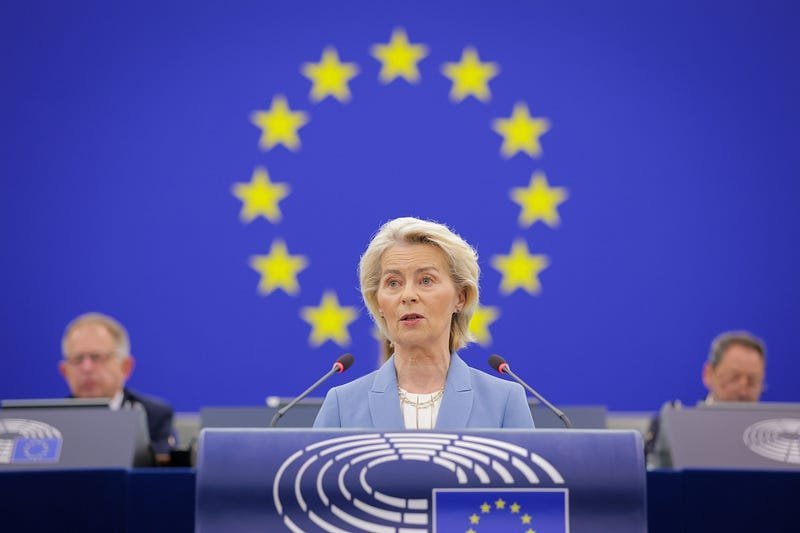
Signed on Friday, November 20, alongside European Commission President Ursula von der Leyen and European Council President António Costa, the UK-EU accord targets three core pillars designed to lower household costs and reduce commercial friction. Under the new framework, London and Brussels agreed to eliminate cumbersome border checks on food and agricultural exports, link their respective carbon emissions trading markets to shield heavy industry from cross-border tariffs, and establish a capped youth mobility scheme allowing up to 100,000 young adults from each side to live and work abroad for up to three years. Speaking in Brussels, Burnham noted that British agricultural exports to the continent have plunged by more than 30 percent over the past decade, arguing that replacing a broken status quo with practical cooperation will lower supermarket prices and energy bills across the United Kingdom.
Despite strong public polling showing that roughly three-quarters of British voters favor closer European ties, the agreement has unleashed a political firestorm across Westminster over the weekend. Conservative Party leader Kemi Badenoch dismissed the Treasury's 0.5 percent GDP growth estimate as fabricated and vowed to attack the deal at Monday's Confederation of British Industry conference, while Reform UK leader Nigel Farage accused Burnham of betraying British sovereignty by accepting European regulatory standards without voting rights. In a rare public intervention on Sunday, November 22, former Conservative Prime Minister Theresa May declared she was aghast at Burnham's recent remarks keeping future EU membership options open, urging the prime minister to respect the 2016 referendum result and move on.
Burnham's rapid ascent from regional mayor to Downing Street—completing a whirlwind summer transition after winning the Makerfield parliamentary by-election in June and capturing the Labour leadership in July—was built on promises to rewire Britain's economy and empower communities beyond London. While adhering strictly to Labour's 2024 manifesto red lines that rule out rejoining the EU single market, customs union, or freedom of movement during the current parliamentary term, Burnham has openly invited Brussels to brainstorm deeper long-term partnership models ahead of next year's summit. That balancing act reflects a delicate effort to satisfy pro-European voters and business leaders without alienating Leave-voting constituencies across northern England.
As Downing Street prepares to introduce implementing legislation in Parliament this week, the political stakes extend well beyond bilateral trade mechanics. With Europe confronting shared security threats from Russian aggression and shifting global trade dynamics in Washington, Burnham's push to mend fences with Britain's largest trading partner represents a defining test of his young premiership. Whether Monday's parliamentary debate cements momentum for his economic recovery plan or reignites Britain's decade-long ideological civil war over Europe will shape Westminster politics heading into 2027.