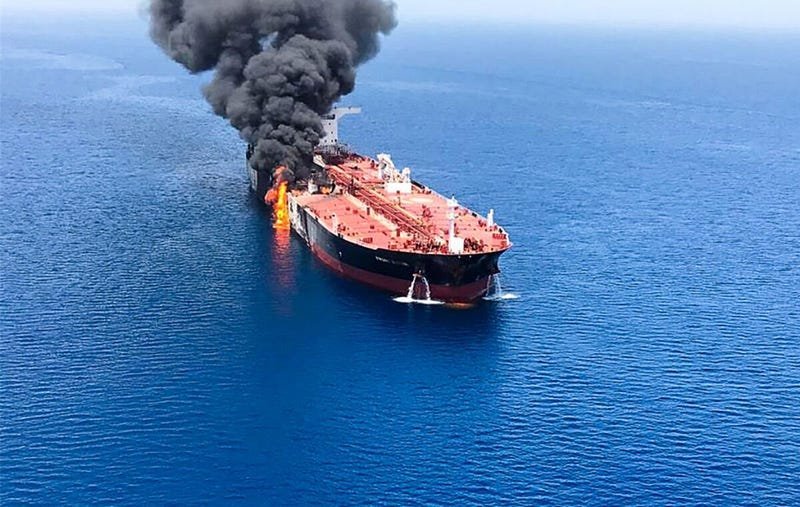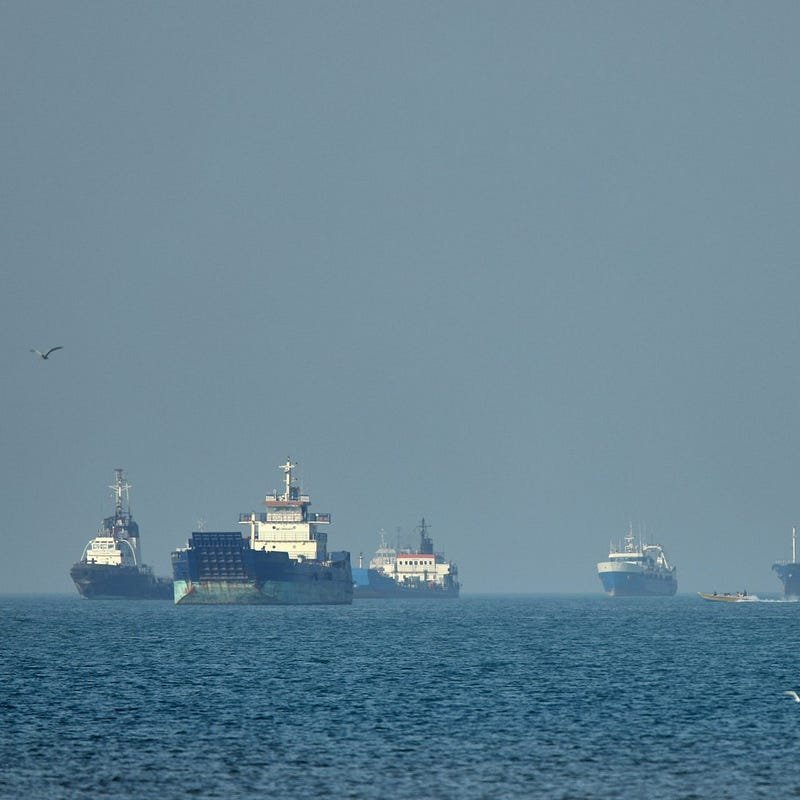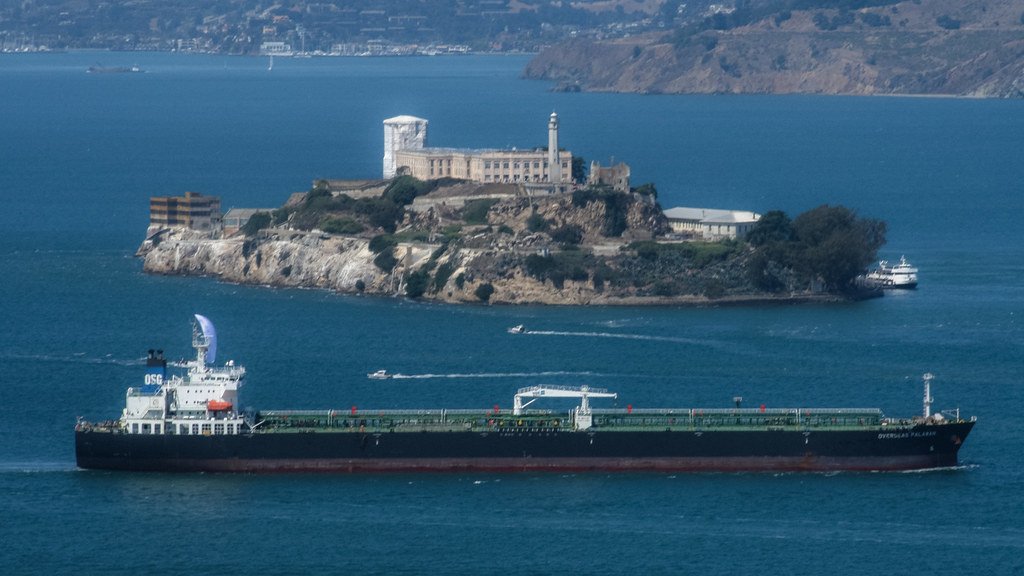
Maritime security in the Persian Gulf deteriorated sharply on Monday as Iran's Islamic Revolutionary Guard Corps announced that three commercial vessels caught fire after striking naval mines in the Strait of Hormuz, escalating a nine-month maritime standoff with Washington even as top Qatari mediators held emergency talks in the U.S. capital to prevent a return to full-scale regional war.
The explosions follow a record surge in Gulf shipping attacks verified by the United Kingdom Maritime Trade Operations Centre, with Tehran vowing to use all available means to break the U.S. naval blockade choking Iranian oil exports. Despite heightened maritime danger, global crude futures fell roughly 2.8 percent on Monday, with Brent crude settling near $90 a barrel after Libya restarted a major export pipeline and traders weighed surging Middle Eastern supply flows against fading expectations of an immediate American military offensive.
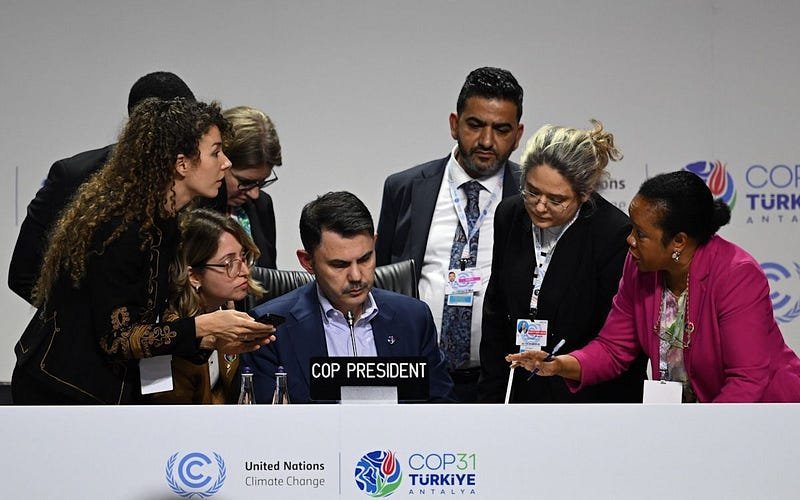
In Washington, Qatari Prime Minister Sheikh Mohammed bin Abdulrahman Al Thani met with Secretary of State Marco Rubio and Vice President JD Vance during the eighth U.S.-Qatar Strategic Dialogue, urging de-escalation after two hours of weekend mediation talks in Tehran. While Iran's Foreign Ministry demanded that Washington lift its naval blockade and unfreeze assets before reopening the waterway, President Donald Trump reiterated that he will only accept a permanent agreement barring Iran from ever acquiring nuclear weapons.
Inside Jerusalem, political gridlock deepened over how to confront Tehran while coalition negotiations stalled following Israel's recent national elections. Designated Prime Minister Gadi Eisenkot declared on Monday that he sees no immediate Iranian threat requiring military action before a new Israeli government is seated, directly challenging caretaker Prime Minister Benjamin Netanyahu, who warned against downplaying grave regional dangers while pressing for a national unity cabinet.
Meanwhile, fighting flared simultaneously across multiple neighboring fronts. In the Gaza Strip, Israeli airstrikes in Jabalia, Gaza City, and Khan Younis killed at least six Palestinians—including a 35-year veteran United Nations water engineer—further eroding the fragile October 2025 truce as a new Oxfam study warned that 99 percent of Gaza is contaminated by toxic war debris. Along Israel's northern border, artillery and drone strikes pounded southern Lebanon, while Saudi-led coalition warplanes conducted sustained airstrikes across Yemen to disrupt Houthi offensives near Taiz and the Bab al-Mandeb Strait.