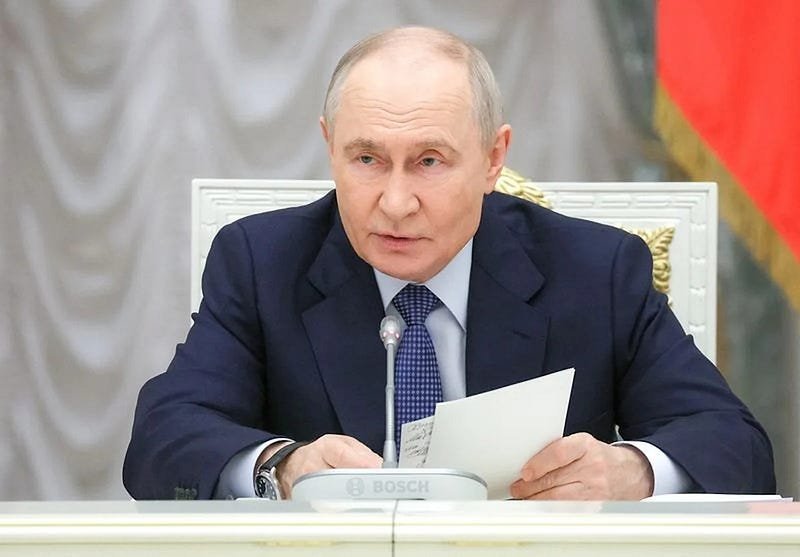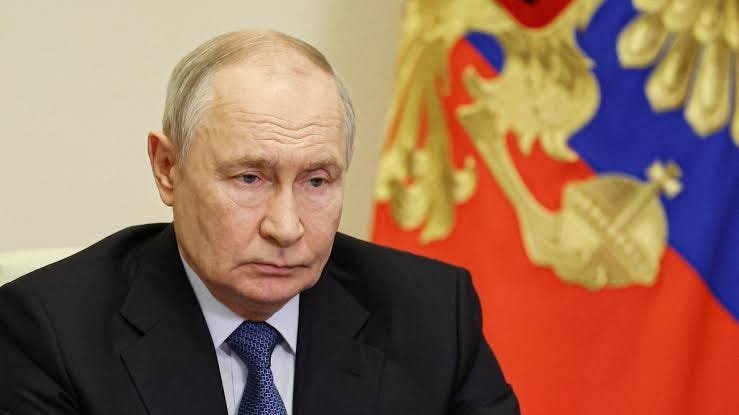
MOSCOW / KYIV, — Russian President Vladimir Putin stands at the center of converging diplomatic, military, and technological flashpoints as the Kremlin weighs an invitation to next month's G20 Leaders Summit in Florida while intensifying aerial assaults against Ukraine and unveiling a sweeping ten-year artificial intelligence overhaul in Moscow. Addressing the plenary session of the AI Journey international conference in the Russian capital on Thursday, November 26, 2026, alongside Kazakh President Kassym-Jomart Tokayev, Putin called for an immediate update to Russia's National AI Strategy through 2036 alongside a new National Action Plan. The Russian leader emphasized that developing sophisticated AI models is no longer sufficient on its own, urging rapid deployment of autonomous systems across industrial manufacturing, healthcare, and public administration to insulate the Russian economy from Western sanctions and structural labor shortages.
On the international diplomatic stage, Moscow confirmed that Putin has not yet decided whether to travel to Doral, Florida, for the December 14 to 15 G20 gathering, even as U.S. President Donald Trump publicly opened the door for his attendance during Thanksgiving remarks from Mar-a-Lago. Trump revealed that during their recent bilateral talks on the sidelines of the APEC summit in Shenzhen, China, he directly urged Putin to pull back all military aggression across European territories to unlock a rapid peace settlement in Ukraine. Adding momentum to backchannel diplomacy following a Wednesday evening strategy meeting between Trump and NATO Secretary General Mark Rutte, White House special envoy Jared Kushner stated in a newly aired podcast interview after visiting Moscow that Putin has demonstrated nuclear restraint and appears open to a negotiated resolution, though deep skepticism persists across European capitals and on Capitol Hill.
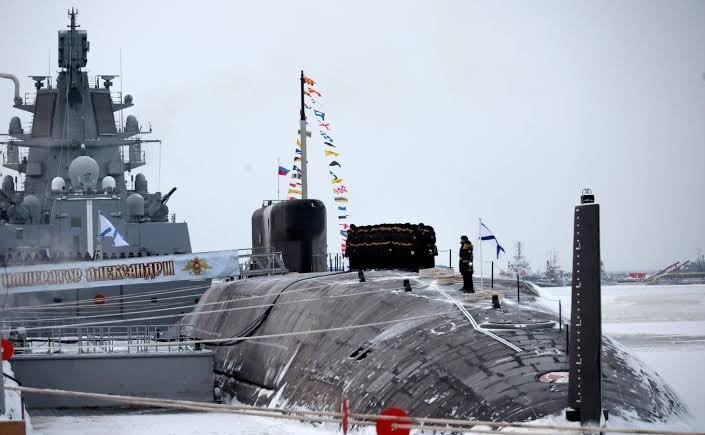
Despite active peace overtures between Washington and Moscow, military hostilities across Eastern Europe and the Black Sea region escalated sharply on Thursday. Ukrainian President Volodymyr Zelenskyy warned in his nightly address that intelligence indicators point to Russian preparations for another massive coordinated missile and drone barrage in the coming days, following overnight Russian ballistic strikes on Kyiv. At the same time, Russian authorities in occupied Crimea scrambled to restore electricity, heating, and public transit amid a widespread blackout triggered by recent Ukrainian strikes targeting the Kerch Strait Bridge alongside Russian naval and energy infrastructure.
For policymakers in Washington, Brussels, and Kyiv, Putin's dual-track posture—projecting domestic technological self-reliance and diplomatic flexibility while sustaining intense military pressure on the battlefield—defines the high-stakes chessboard ahead of December's G20 summit. Whether Moscow chooses to engage directly on American soil or escalate winter strikes against Ukraine's energy grid will decisively shape transatlantic security, global energy stability, and the trajectory of European peace negotiations entering 2027.