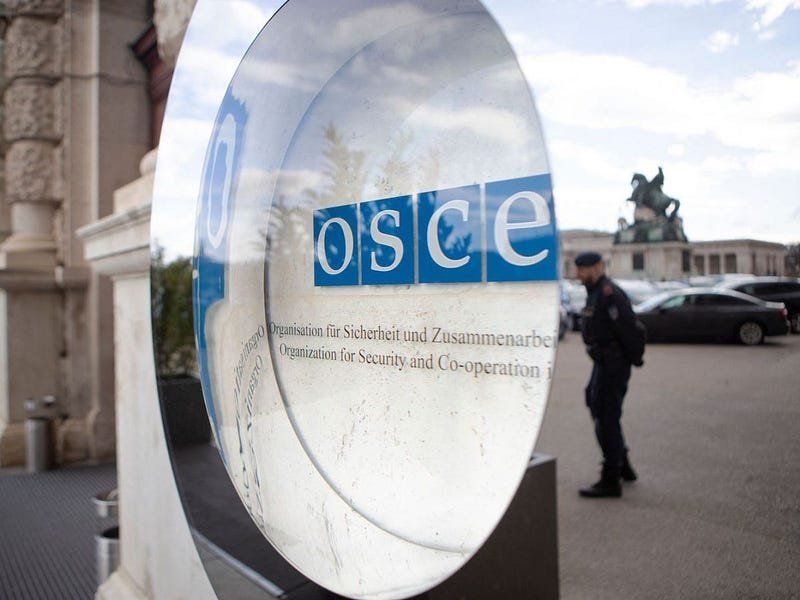
VIENNA, Austria —All 57 participating States of the Organization for Security and Co-operation in Europe (OSCE) reached a rare diplomatic consensus on Friday to adopt the world's largest regional security body's Unified Budget for 2027, locking in €123 million to sustain critical field missions, election monitoring, and conflict prevention operations across Europe, Central Asia, and North America.
The breakthrough marks the second consecutive budget approved by consensus this year, decisively ending a debilitating five-year financial paralysis that had forced the Vienna-based institution to operate on stopgap monthly allotments since its last formally approved spending plan in 2021. Because every OSCE financial decision requires unanimous agreement from all member countries—including the United States, Russia, Ukraine, and members of the European Union—reaching back-to-back deals amid intense geopolitical friction and active regional conflict represents a major diplomatic triumph for Switzerland's 2026 OSCE Chairpersonship.
OSCE Chairman-in-Office Ignazio Cassis, who also serves as Switzerland’s Federal Councillor for Foreign Affairs, hailed the agreement as a vital safeguard for the organization's operational survival. Cassis emphasized that without a predictable budget, core democratic and security functions such as independent election observation missions could no longer be guaranteed, noting that preserving the OSCE's ability to act has been a central priority for Bern throughout its leadership term.
To secure unanimous backing from skeptical capitals, the 2027 Unified Budget preserves the strict fiscal discipline introduced in the 2026 spending plan, capping total expenditure at €123 million and incorporating tough cost-containment measures aimed at building a leaner, more efficient institution.
OSCE Secretary General Feridun H. Sinirlioğlu underscored that the consensus required difficult internal sacrifices, including a temporary freeze on staff salaries, to bridge deep political divides among member states. Framing the deal as a starting point rather than a final destination, Sinirlioğlu noted that Friday's breakthrough demonstrates how sustained diplomatic engagement can still yield tangible results at the OSCE even during one of the most volatile security eras in modern European history.