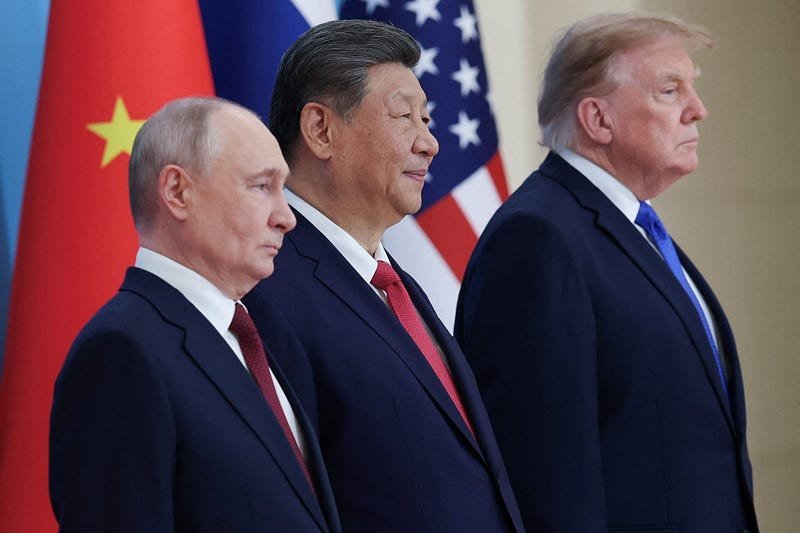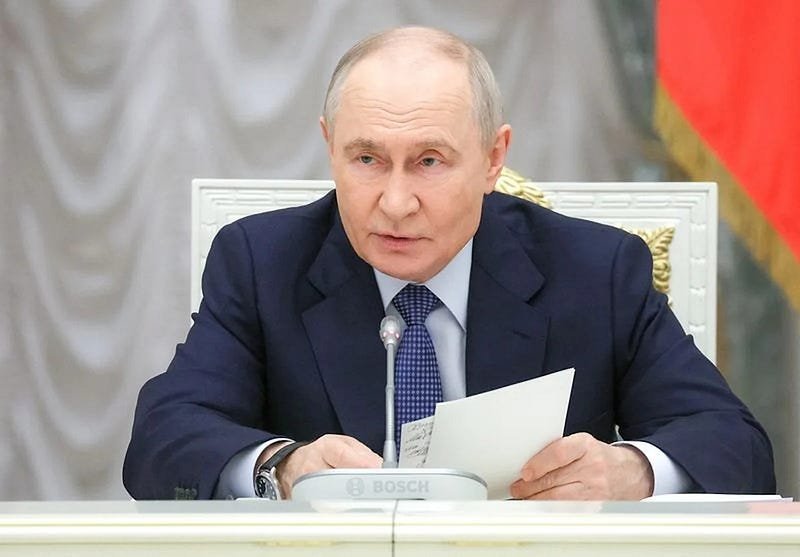
WASHINGTON, D.C., Russian President Vladimir Putin warned on Tuesday that retaliatory military strikes against Ukraine are inevitable, accusing Kyiv of openly defying a direct request from U.S. President Donald Trump to halt long-range drone attacks on Russian oil refineries. Addressing a high-level Kremlin meeting on Russia's fuel and energy sector, Putin claimed that Ukrainian forces have continued targeting Russian energy infrastructure despite Trump's mid-October appeal for an energy ceasefire. For policymakers in Washington, the Kremlin's sharp escalation threatens to unravel the fragile diplomatic momentum generated just days ago during last week's historic trilateral summit in Shenzhen between Trump, Putin, and Chinese President Xi Jinping.
Ordering security forces to fortify critical energy installations across Russia, Putin asserted that domestic fuel markets have stabilized following strict export bans on gasoline, jet fuel, and diesel. He noted that Russia is maintaining limited diesel shipments strictly under the framework of its recent global refined-fuel supply agreement with Washington. However, the Russian leader's warning comes amid widening maritime and territorial friction, including back-to-back Ukrainian drone strikes on Russian vessels in the Gulf of Finland and off the coast of Libya, alongside urgent Moscow warnings to the White House regarding potential Ukrainian offensives aimed at Crimea.
Putin's aggressive rhetoric coincides with mounting domestic and international scrutiny over the staggering human and strategic costs of the nearly five-year conflict. A newly published data investigation analyzing more than 11 million leaked Russian state statistics records indicates that at least 490,334 Russian soldiers have died since the 2022 invasion began, exposing massive demographic losses despite strict Kremlin censorship. Simultaneously, German intelligence officials confirmed on Tuesday that Berlin and NATO allies are treating with grave concern Western intelligence reports indicating Moscow is developing a nuclear anti-satellite weapon capable of unleashing a devastating electromagnetic pulse in low Earth orbit.
Even as military tensions surge across Europe and the Black Sea, diplomatic backchannels remain active ahead of a busy Kremlin schedule. Belarusian President Alexander Lukashenko publicly proposed flying alongside Ukrainian President Volodymyr Zelenskyy to Moscow for direct peace negotiations, though Kyiv has consistently rejected talks held on Russian soil. Meanwhile, Putin is preparing to host Sultan of Brunei Hassanal Bolkiah at the Kremlin on Wednesday for bilateral energy and security talks, leaving Washington and European capitals watching closely to see whether Moscow follows through on its threat of imminent retaliation against Ukraine's power grid.