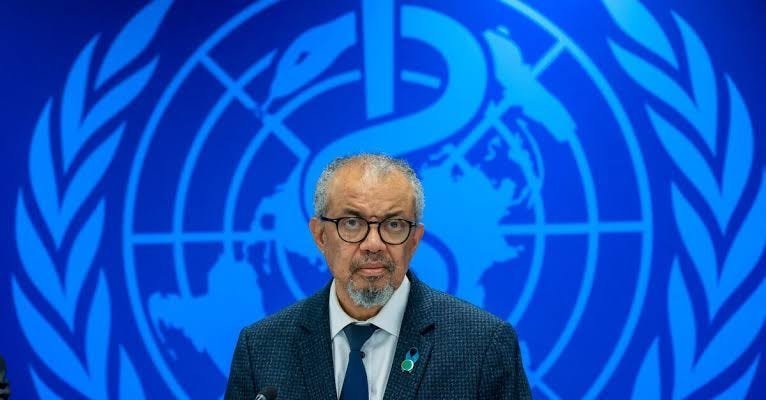
WASHINGTON, D.C., World Health Organization Director-General Dr. Tedros Adhanom Ghebreyesus issued an urgent international appeal from Havana on Tuesday for the immediate lifting of fuel restrictions and economic sanctions against Cuba, warning that severe energy shortages are crippling hospitals and driving a dramatic surge in child and maternal deaths. Speaking at a press conference alongside Cuban Public Health Minister Dr. José Ángel Portal Miranda following visits to pediatric cardiac wards, Tedros echoed recent warnings from United Nations High Commissioner for Human Rights Volker Türk that tightening blockades are directly endangering vulnerable civilians. Declaring that health must never become a casualty of politics, the WHO chief revealed that Cuba now faces a staggering backlog of nearly 100,000 surgeries, including 12,000 children awaiting critical procedures, while 34,000 pregnant women are unable to access essential medical care.
Data presented by the global health agency underscores an unprecedented reversal in Cuba's historically praised public health indicators since the onset of intensified energy restrictions in January 2026. Overall life expectancy on the island has fallen for the first time since records began in 1950, dropping from 78.8 years in 2020 to 74.4 years in 2025, while infant mortality has more than doubled to 9.9 deaths per 1,000 live births. Most alarmingly, Tedros reported that childhood cancer survival rates have plunged from 85 percent to 65 percent over the past year due to chronic power outages, spare-part shortages, and medicine deficits, coinciding with a 50 percent jump in tuberculosis cases and simultaneous outbreaks of dengue, chikungunya, and Oropouche virus.
For policymakers in Washington and across the Western Hemisphere, the WHO's sharp intervention places renewed humanitarian scrutiny on the Trump administration's maximum-pressure posture toward Havana. While acknowledging Cuba's ongoing rollout of 176 internal economic and structural reforms, Tedros announced immediate operational support totaling $2 million in flexible WHO funding alongside emergency shipments of medicines and supplies mobilized through the Pan American Health Organization. The United Nations agency also committed to prioritizing childhood immunization drives, repairing broken hospital equipment, and accelerating international regulatory approvals for Cuban vaccines and biotechnology products, urging global partners to expand technical and financial assistance to keep the island's clinics functioning.