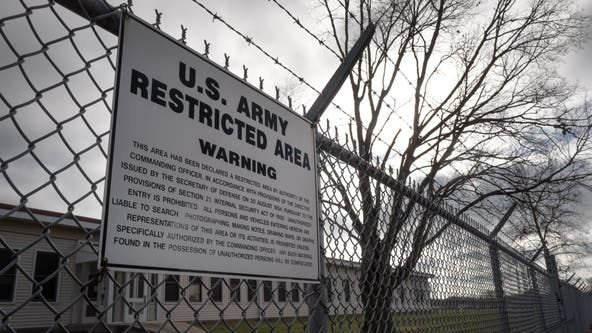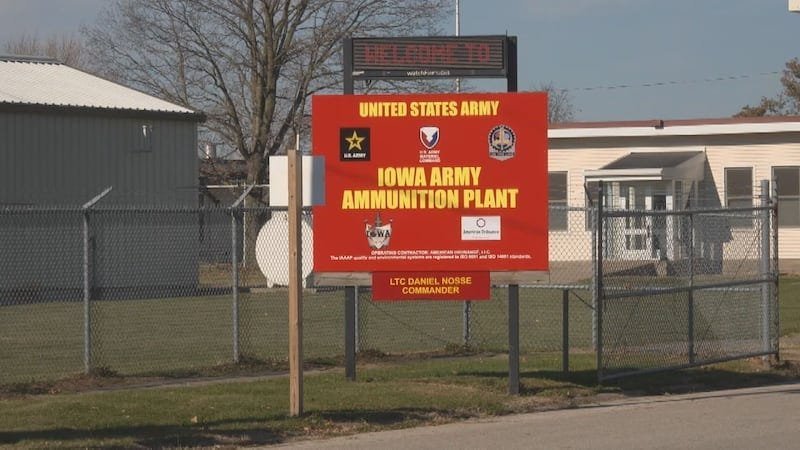
WASHINGTON, D.C., Senior leaders from the Pentagon, the Environmental Protection Agency, and the Federal Emergency Management Agency unveiled a massive interagency containment and environmental monitoring operation on Tuesday ahead of Wednesday's scheduled controlled detonation of degraded crystallized lead azide at the Iowa Army Ammunition Plant in Middletown, Iowa. Briefing the public from Washington, EPA Associate Administrator for National Security and Operations Coordination Tom Croci joined Acting Army Secretary Adam Telle, FEMA Administrator Cameron Hamilton, and top officials from the Bureau of Alcohol, Tobacco, Firearms and Explosives, the Department of Health and Human Services, and the Department of Agriculture to outline federal safeguards for communities across Iowa, Illinois, and Missouri. Federal officials emphasized that executing a controlled, in-place detonation under optimal meteorological conditions represents the safest option to neutralize the volatile primary explosive before it triggers an uncontrolled, spontaneous blast.
To measure environmental impacts in real time and protect vulnerable populations, the EPA has deployed more than 100 agency specialists and contractors to southeast Iowa alongside three mobile analytical laboratories and a dedicated air toxics lab. Croci confirmed that federal response teams have already collected more than 1,001 pre-detonation air, soil, and water samples across Middletown and surrounding counties to establish a precise environmental baseline. Continuous sampling will proceed throughout Wednesday's blast window and during post-detonation recovery, with analytical results shared directly with the Centers for Disease Control and Prevention to guide rapid lead remediation and protect infants, young children, and pregnant women from heavy metal exposure.
Alongside the EPA's scientific surveillance, the U.S. Army engineered extensive physical containment barriers around the Middletown concrete bunker using layers of earth, sand, water, and two feet of specialized high-expansion foam to suppress shockwaves and trap airborne lead dust. FEMA has simultaneously activated regional evacuation and shelter-in-place protocols within a 20-mile radius of the installation, while USDA Under Secretary for Farm Production and Conservation Richard Fordyce coordinated agricultural protections for hundreds of nearby farms and livestock operations. Federal officials pledged to publish post-blast environmental testing data rapidly as interagency teams remain stationed across the tri-state region until full site remediation is verified.