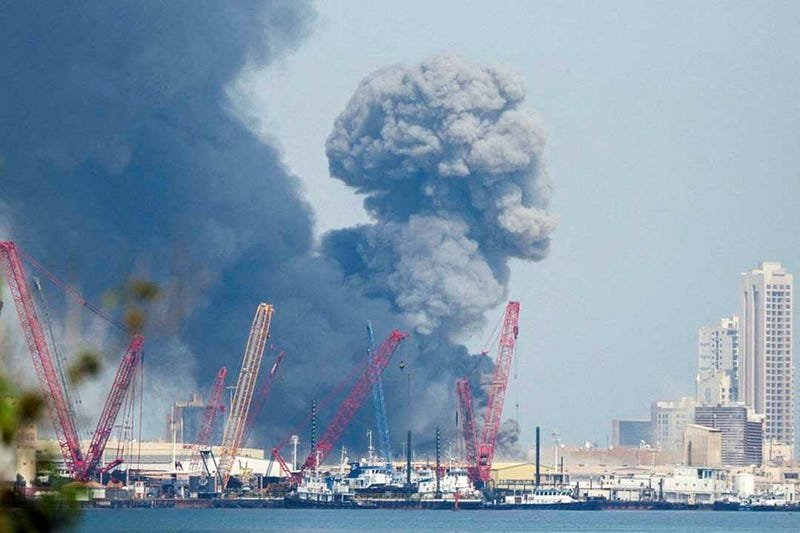
DUBAI / JERUSALEM, — Simultaneous military flashpoints across the Persian Gulf, Gaza, Yemen, and Lebanon dramatically escalated regional instability on Thursday, November 26, 2026, led by a deadly drone strike in Kuwait that killed two Italian defense technicians and triggered urgent European calls for tougher sanctions against Tehran. According to Kuwaiti military officials and Italian Foreign Minister Antonio Tajani, unmanned aerial vehicles struck a military installation in Kuwait around 2:00 PM local time, killing two Italian employees working for defense contractor Rheinmetall and injuring several others. European Commission President Ursula von der Leyen condemned the assault on Gulf security and urged heightened international pressure on Iran, even as Iranian Foreign Minister Abbas Araghchi denied Tehran's involvement and labeled the incident suspicious.
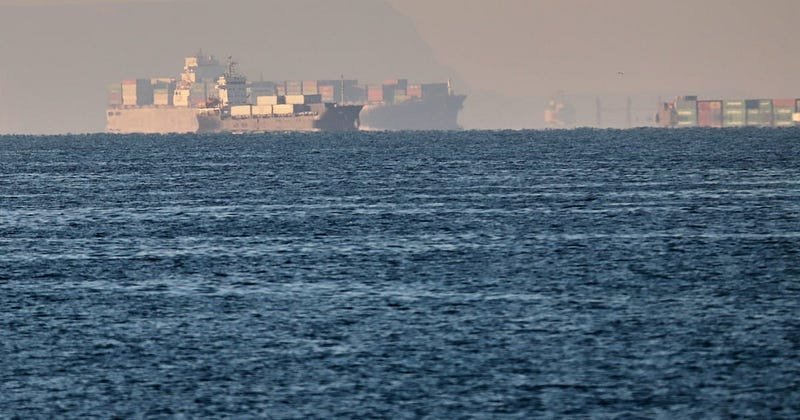
In the Persian Gulf and Arabian Peninsula, maritime shipping and energy infrastructure faced renewed peril amid the ongoing U.S. naval blockade of Iran and cross-border hostilities between Saudi Arabia and Yemen's Houthi forces. A British military maritime monitor reported an explosion near a commercial tanker in the Persian Gulf west of Dubai, while Houthi fighters and Saudi forces exchanged strikes affecting a Saudi oil refinery and targets in Sanaa, prompting the United Kingdom to slap fresh sanctions on the Houthi movement and four senior commanders. From Palm Beach, Florida, U.S. President Donald Trump declared during Thanksgiving calls with deployed American troops in the Middle East that victory over Iran is at hand, warning that Iranian ballistic missiles possess the range to reach Europe while offering Tehran a final window to negotiate a diplomatic settlement.
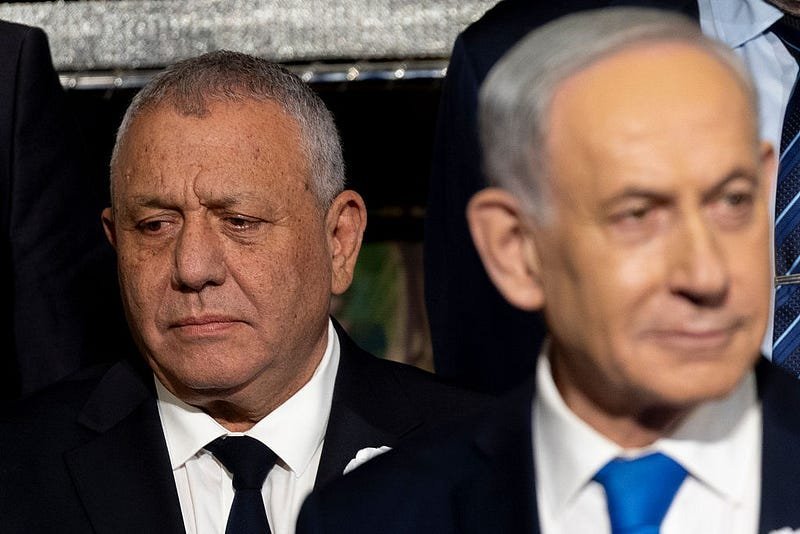
Along the eastern Mediterranean, Israeli military operations intensified across both Gaza and southern Lebanon despite ongoing U.S. diplomatic efforts to stabilize fragile ceasefire frameworks. In central Gaza's Deir al-Balah, an overnight Israeli airstrike killed senior Hamas Political Bureau member and economic chief Khaled Abu Nada alongside his wife, part of broader strikes across the territory that killed at least ten Palestinians on Thursday. Simultaneously, Israeli warplanes and artillery pounded multiple locations across southern and eastern Lebanon, even as Washington pressed Prime Minister Benjamin Netanyahu to advance humanitarian aid deliveries and move forward with the White House's Gaza peace roadmap.
For policymakers in Washington, European capitals, and global energy markets watching crude prices climb amid Strait of Hormuz disruptions, Thursday's multi-front escalation underscores the extreme fragility of regional deterrence. With European citizens killed in the Gulf, commercial vessels threatened near Dubai, and targeted strikes continuing across Gaza and Lebanon, international diplomats face narrowing options to prevent a wider regional conflagration entering December.