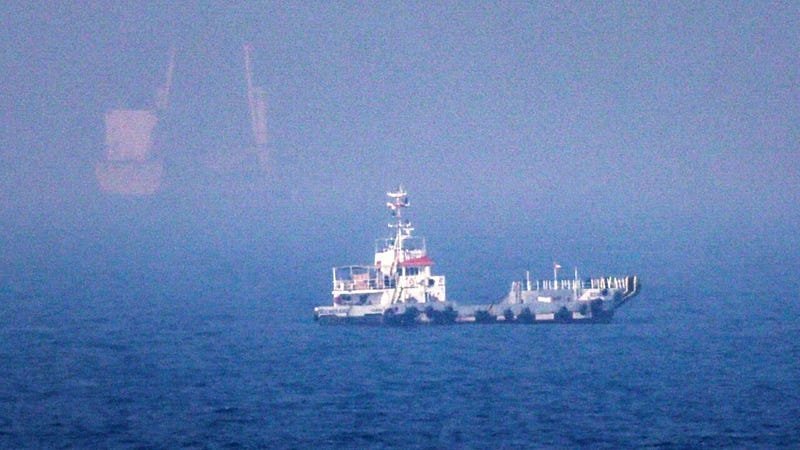
WASHINGTON, D.C., – The United States intensified its economic and military pressure on Tehran on Tuesday as fresh tanker explosions in the Strait of Hormuz, regional proxy strikes in Saudi Arabia, and urgent Israeli warnings over Iranian chemical weapons pushed the nine-month Middle East conflict toward a critical inflection point. Speaking at the White House ahead of the annual Thanksgiving turkey pardon, President Donald Trump declared that the American naval blockade has completely halted Iranian shipping while boosting U.S.-bound oil transit through the strategic waterway above pre-war levels. Despite reports from Iranian state media that three commercial tankers struck naval mines over the past two days, global energy markets responded to Washington's maritime enforcement by driving Brent crude prices down to their lowest point since late August.
Even as oil prices cooled, security alarms across Washington and allied capitals surged following explosive intelligence disclosures and widening financial crackdowns. In Tel Aviv, Israeli Defense Minister Israel Katz warned that Tehran began developing chemical weapons after suffering heavy military losses earlier this year and raised the prospect of a joint preemptive strike with U.S. Central Command. Katz also alleged that Iranian cells are plotting assassinations against Trump and senior American officials, a threat that prompted heightened Secret Service protections across the capital. Simultaneously, the U.S. Treasury Department imposed sweeping new sanctions on more than two dozen individuals and entities tied to Iran's shadow banking network, while federal investigators probed suspected Iranian cyberattacks that recently compromised up to 50 commercial energy vessels.
Across the Persian Gulf, the shadow war spilled deeper into civilian and diplomatic centers as Tehran's regional proxies sought to raise the economic cost of Washington's blockade. Saudi authorities confirmed that 11 people were injured on Tuesday when Iran-backed Houthi rebels struck a tower in Riyadh's Financial District for the second time in less than a week, prompting the Saudi-led coalition to order an immediate evacuation of Yemen's Hodeidah Port. In response to the escalating threats against U.S. bases in Bahrain and Kuwait and civilian infrastructure in Saudi Arabia, the U.S. State Department issued urgent security alerts across its Middle East embassies instructing American citizens to exercise maximum vigilance.
Amid the military brinkmanship, high-stakes diplomacy in Washington is racing against a narrowing political and fiscal clock. Secretary of State Marco Rubio and Vice President JD Vance held intensive talks with Qatari Prime Minister Sheikh Mohammed bin Abdulrahman Al Thani as Doha works alongside Pakistan to broker a ceasefire off-ramp before Trump's early 2027 deadline for renewed large-scale strikes. While Iranian Parliament Speaker Mohammad Bagher Ghalibaf insisted Tehran will not negotiate until its seven conditions for lifting the blockade are met, Trump signaled that existing U.S. war funding carries through the end of January just as a new Democratic-led Congress prepares to take office and scrutinize continued military spending.