High-stakes counter-narcotics raids in Mexico, deadly anti-gang operations in Haiti, and insurgent drone bombings in Colombia dominated breaking news across Latin America and the Caribbean on Monday, underscoring how unmanned aerial warfare and cross-border intelligence cooperation are reshaping regional security.
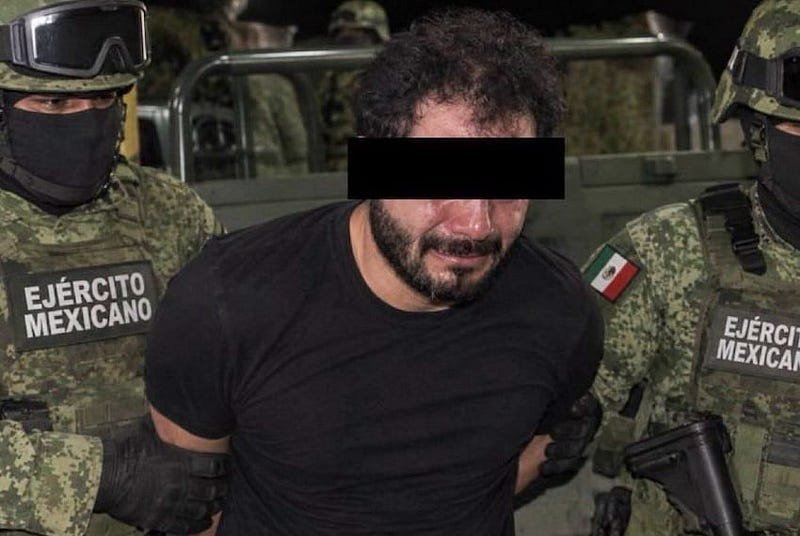
In Mexico City, President Claudia Sheinbaum confirmed on Monday that United States intelligence and unarmed surveillance drones operated over Mexican airspace to help Mexican special forces track and capture FBI Ten Most Wanted fugitive Fausto Isidro Meza Flores, known as El Chapo Isidro, in Sinaloa over the weekend. The fierce gunbattle in Guasave left 20 people dead, including four Mexican soldiers and 16 suspected cartel gunmen, delivering a major blow to fentanyl trafficking corridors while Sheinbaum reiterated that American troops remain strictly barred from ground operations inside Mexico.
In the Caribbean, Salvadoran President Nayib Bukele identified three Salvadoran soldiers killed on Friday while battling heavily armed gangs in Haiti, revealing that two corporals died heroically while manually attempting to disarm a grenade rigged to a failing gang drone to prevent it from crashing into civilians. Bukele pledged $200,000 and lifetime monthly stipends to the fallen soldiers' families while offering any of the 2,500 Salvadoran troops deployed in Haiti the option to return home immediately without penalty as joint operations continue in Port-au-Prince.
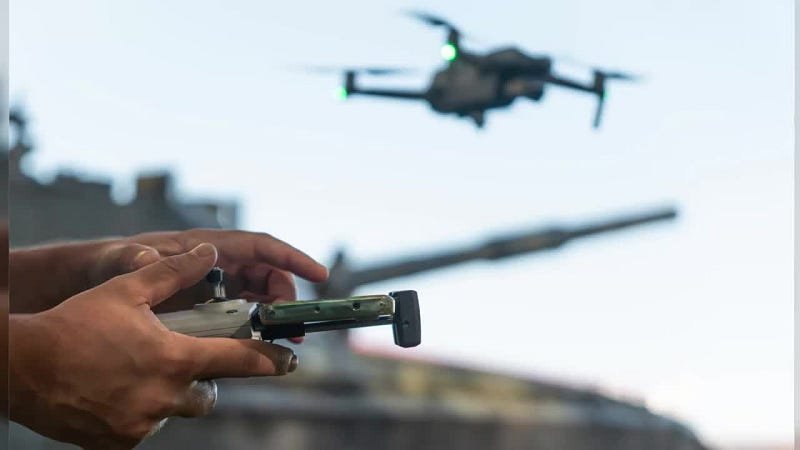
Meanwhile, in northeastern Colombia, explosive-laden drones struck a police facility in the border city of Cúcuta on Monday morning, injuring civilians—including an infant—and damaging 60 homes in the first unmanned bombing inside a major Colombian urban center. Regional security officials linked the assault to retaliatory attacks by the National Liberation Army and dissident factions opposing conservative President Abelardo de la Espriella's aggressive military offensive across coca-producing borderlands.
Offering a bright milestone for the region, FIFA formally ratified a historic joint bid by Mexico, Costa Rica, and Jamaica alongside the United States on Monday to host the 2031 FIFA Women's World Cup, bringing the expanded 48-team tournament to North America, Central America, and the Caribbean for the first time.