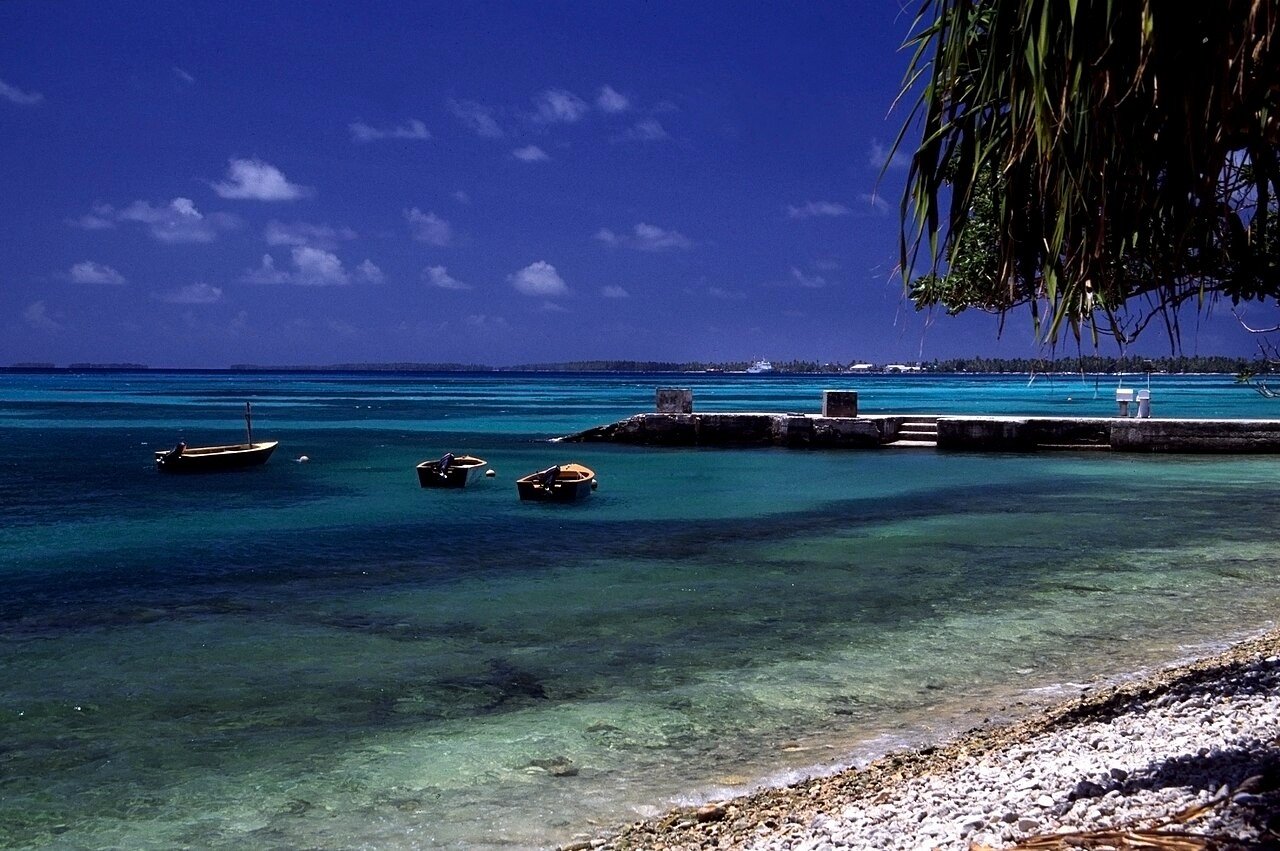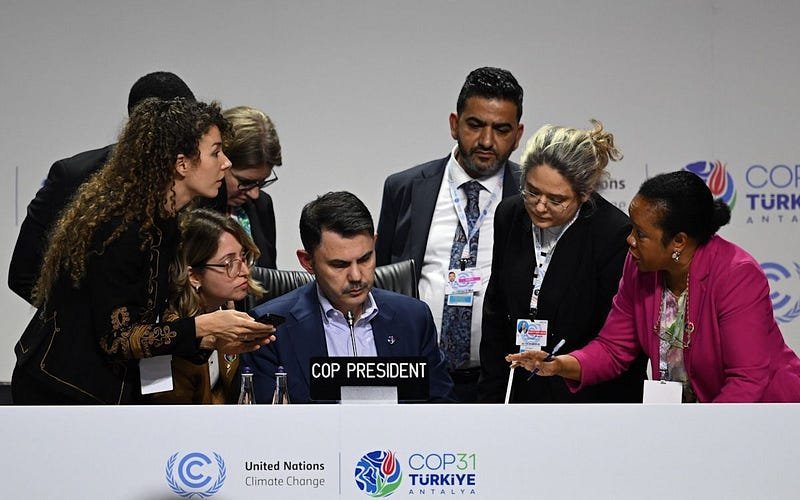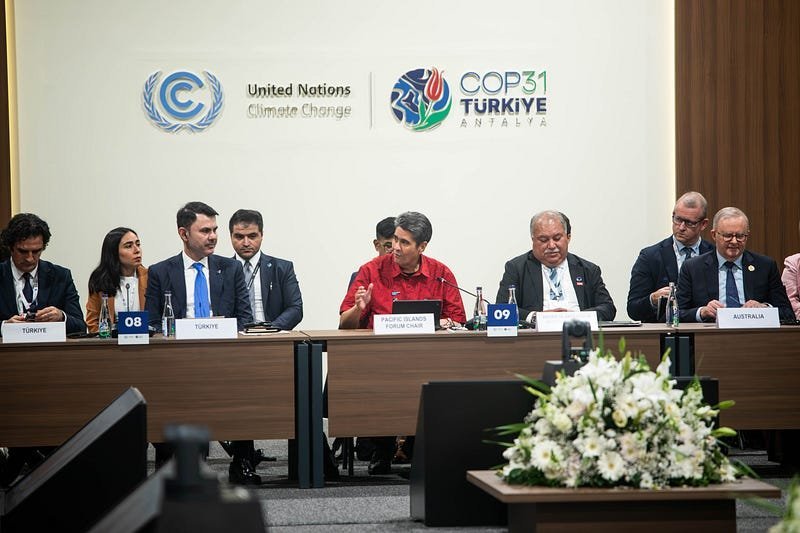
The Pacific Resilience Facility has officially launched its International Capitalisation Campaign during the COP31 United Nations climate summit in Antalya, Türkiye, issuing an urgent global appeal to mobilize $500 million in immediate capital and $1.5 billion over the long term to safeguard vulnerable island communities across the Blue Pacific. Unveiled during a high-level summit session on November 12 and highlighted in an official communiqué from the Pacific Islands Forum Secretariat over the weekend, the campaign seeks to channel grant-based disaster preparedness and climate adaptation funding directly to local villages without saddling small island economies with new sovereign debt. For policymakers in Washington and across the Indo-Pacific, the initiative arrives at a pivotal geopolitical moment as major powers compete for influence across strategic Pacific maritime corridors while multilateral climate negotiations in Antalya struggled to deliver binding financial breakthroughs.
At the center of the Antalya launch was a landmark $5 million philanthropic commitment from the Minderoo Foundation, announced by founder Dr. Andrew Forrest AO to catalyze private and charitable co-investment alongside sovereign donors. Addressing gathered heads of state and development partners, Dr. Forrest underscored the stark moral and economic injustice facing frontline island nations that have contributed virtually nothing to global carbon emissions yet suffer the earliest and harshest impacts of rising seas and extreme storms. He called on international stakeholders to go beyond rhetoric on emissions cuts by accelerating direct investment in clean energy and accountable, community-level resilience. [1, 2]
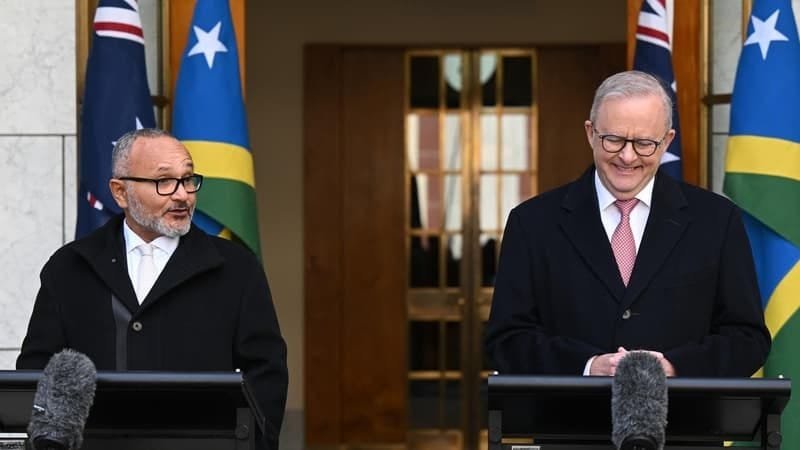
Pacific leaders framed the facility as a decisive assertion of regional self-determination designed to overcome years of frustration with complex, slow-moving international climate funds. President of the Republic of Palau and Pacific Islands Forum Chair His Excellency Surangel S. Whipps Jr. described the mechanism as a bold expression of Pacific leadership, ownership, and agency. Rather than waiting indefinitely for global climate finance architectures to reform, Whipps noted that Pacific leaders engineered their own regionally governed institution to deliver practical resources directly to the communities most exposed to climate and disaster shocks. Tongan Prime Minister Lord Fakafanua reinforced that unified stance, affirming that Pacific nations remain firm in their collective resolve to lead the protection of their own homelands.
Republic of the Marshall Islands President Her Excellency Dr. Hilda Heine, whose government currently chairs the facility's governing council, warned international donors that bureaucratic hesitation carries existential consequences for low-lying atoll nations. Recalling that Forum leaders first endorsed the concept in 2019, Dr. Heine declared that in the Pacific, finance delayed is finance denied, stressing that island communities cannot afford to wait until homes are swallowed by rising oceans or devastated by cyclones before receiving support. Having entered the Antalya summit with roughly $200 million already committed by regional members and early international partners—including Australia, Fiji, Denmark, and the Netherlands—leaders are pushing to close the remaining $300 million gap toward their $500 million initial capitalization milestone.
The urgency of the Pacific-led campaign was thrown into sharp relief as COP31 concluded in Antalya without consensus on an overarching climate pact or a clear roadmap to triple global adaptation finance. Against that backdrop of stalled multilateral diplomacy, the Pacific Resilience Facility stands out to U.S. and allied strategic planners as an operational, treaty-backed vehicle capable of delivering tangible infrastructure—from solar microgrids and rainwater harvesting to coastal defenses—across a region vital to American and allied security in the Pacific. As Forum leaders carry their capitalization drive forward from Türkiye into 2027, the facility's progress will serve as a critical test of whether wealthy nations and global philanthropies are prepared to match Pacific leadership with immediate, debt-free financial action. www.bbnewsin.com