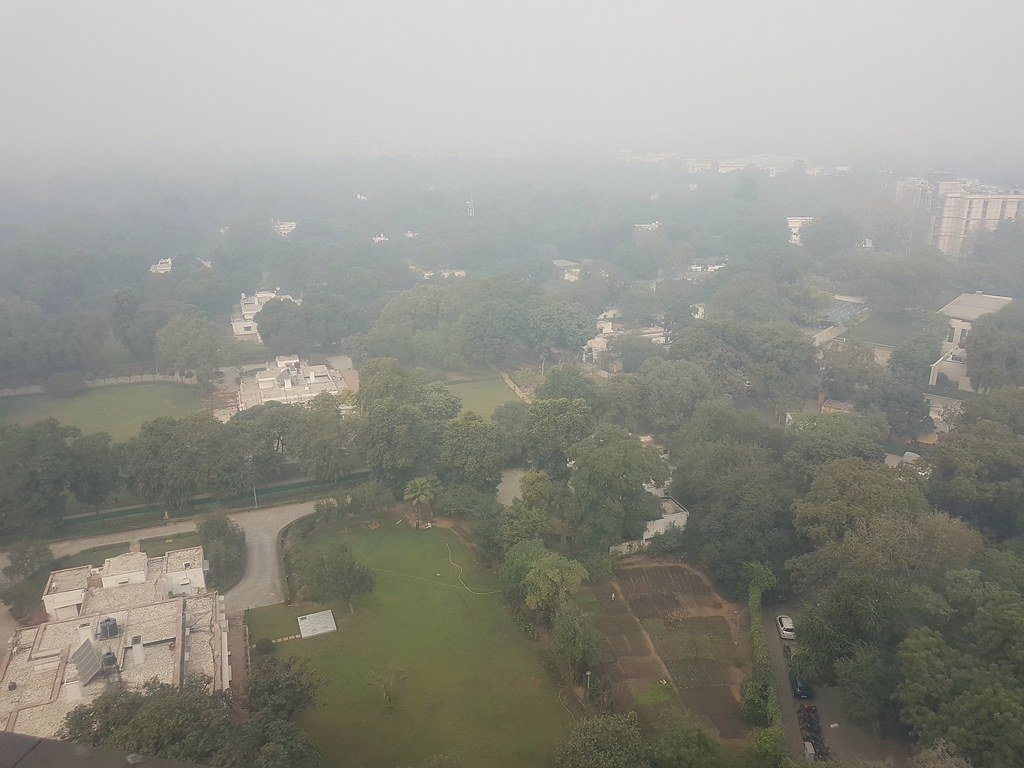
Delhi is preparing for its annual winter smog season, with authorities readying a familiar toolkit of construction curbs, vehicle checks and school advisories as cooler air settles over the plains of northern India.
Every year from late October, dropping temperatures trap dust, vehicle exhaust and crop-burning smoke under a lid of still air, pushing the capital's air quality from poor to severe for weeks at a stretch. Neighboring cities across the Indo-Gangetic plain face the same pattern, turning winter into the most closely watched public-health season of the year.
Under the region's graded response plan, the strictest measures switch on automatically as air quality crosses defined thresholds: construction sites pause work, older diesel vehicles stay off the roads, and municipal crews intensify street sweeping and water sprinkling. Officials say the stages are triggered by readings, not discretion, so residents can expect restrictions to tighten and loosen with the air itself.
Hospitals and clinics, meanwhile, are restocking supplies for the seasonal rise in respiratory complaints, and doctors are advising children, the elderly and people with asthma to limit outdoor exertion on heavy-haze mornings. Schools typically shift sports and assemblies indoors during the worst stretches.
Beyond the emergency playbook, the longer-term questions remain unchanged: cleaner construction practices, faster adoption of electric buses, alternatives to stubble burning in neighboring states, and better coordination across a region whose air ignores city boundaries. Each winter tests how much of that agenda has actually moved.
For residents, the season arrives with a familiar rhythm of masks and weather apps. For policymakers, it is another chance to prove that the haze — like the seasons — does not have to return in full every year.