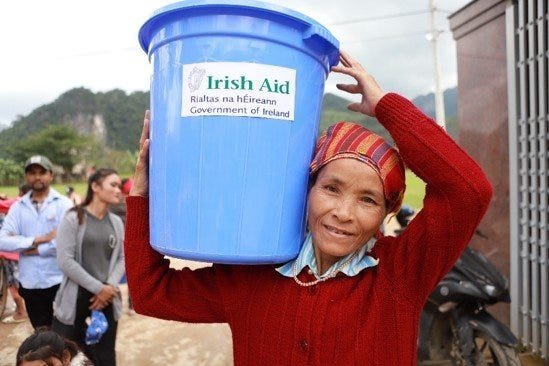
DUBLIN — Ireland's Department of Foreign Affairs and Trade announced a €3.5 million emergency humanitarian funding package on Thursday, November 26, 2026, aimed at protecting vulnerable populations across Africa, Asia, and Central America ahead of severe climate disruptions forecast for the 2026–2027 El Niño cycle. Unveiled by Minister for Foreign Affairs and Trade Helen McEntee TD and Minister of State for International Development and Diaspora Neale Richmond TD, the proactive intervention allocates €2 million to the International Federation of Red Cross and Red Crescent Disaster Response Emergency Fund and €1.5 million to the United Nations Central Emergency Response Fund (CERF) to finance life-saving measures before extreme droughts, heatwaves, and floods strike.
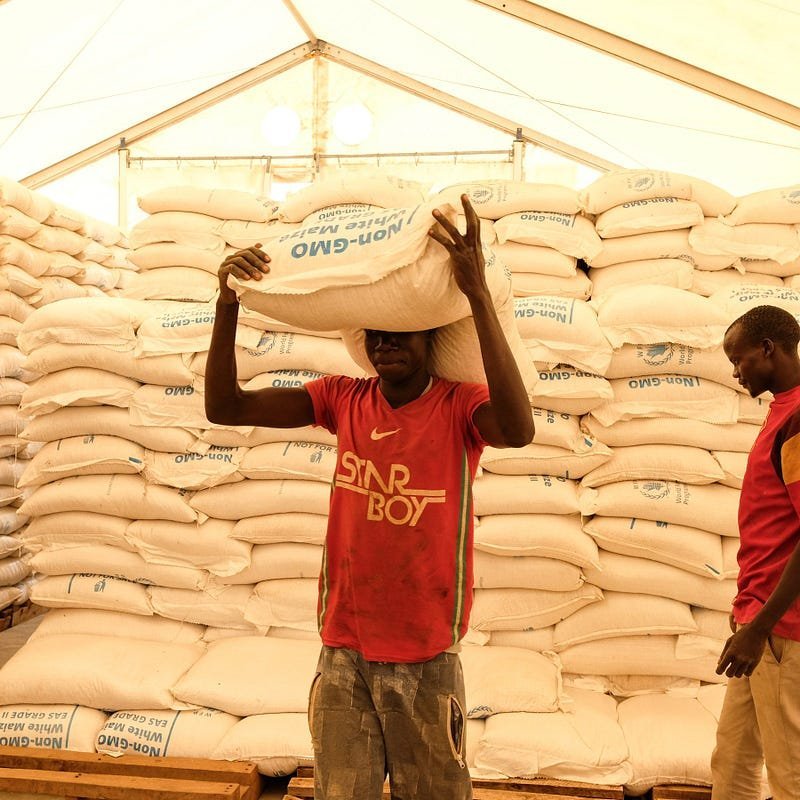
Global meteorological and humanitarian projections warn that the emerging El Niño weather pattern could push an additional 49 million people into acute food insecurity by the end of 2027, driving the worldwide total to roughly 274 million people across 45 nations. Rather than waiting for catastrophic crop failures or mass displacement to unfold, Ireland's anticipatory action financing relies on early warning triggers to evacuate at-risk communities ahead of severe flooding, distribute drought-resistant seeds before heatwaves hit, and pre-position clean water, medical supplies, and therapeutic food for malnourished children. Minister McEntee emphasized that climate shocks disproportionately devastate communities already grappling with poverty and conflict, noting that acting ahead of predictable disasters both saves lives and significantly reduces the financial burden of large-scale emergency relief.
Minister of State Richmond highlighted that channeling resources through the UN Central Emergency Response Fund and the International Red Cross network ensures rapid, targeted assistance reaches high-risk groups, particularly women and girls, before crisis conditions peak. As the seventh-largest global donor to CERF, Ireland has already contributed €16 million in core funding alongside €5.5 million dedicated to the CERF Climate Action Account in 2026, reinforcing a broader international effort in which CERF is mobilizing approximately US$100 million for anticipatory action across frontline countries including Chad, Honduras, Madagascar, Somalia, South Sudan, and Zimbabwe.
This latest €3.5 million commitment builds directly on Dublin's wider 2026 climate resilience and global food security strategy, complementing recent Irish contributions of €1 million to the Global Agriculture and Food Security Programme for smallholder farmers and €1 million to the Crops Trust to advance agricultural research and crop diversification. For international development agencies, global food markets, and humanitarian policymakers in Washington, Brussels, and Geneva, Ireland's early-action model underscores a decisive shift in global disaster finance toward preemptive resilience as climate volatility intensifies heading into 2027.