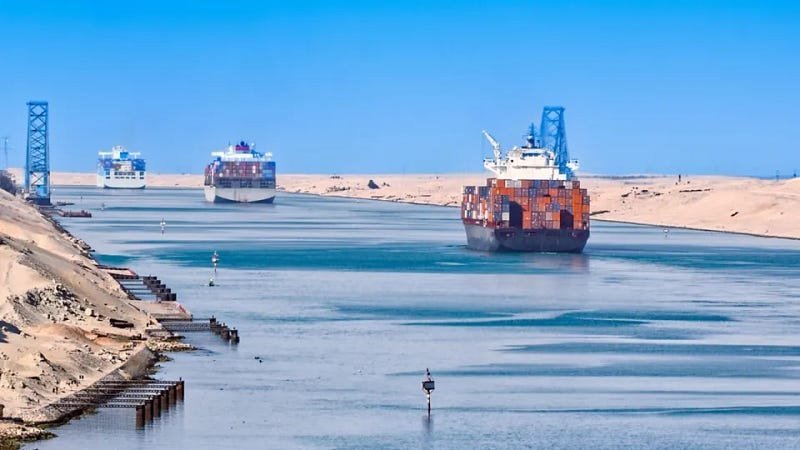
GENEVA, - Global supply chains, American importers, and international commodity markets face a stark new reality as global seaborne trade is projected to stall completely in 2026 following a 1.9 percent expansion in 2025, according to the newly released Review of Maritime Transport 2026 by UN Trade and Development (UNCTAD). Published on November 26, 2026, the flagship United Nations assessment warns that simultaneous geopolitical and logistical shocks stretching from the Strait of Hormuz to the Red Sea are forcing commercial vessels onto longer, costlier detours that threaten inflation stability and trade reliability across the United States and global markets.
With more than 80 percent of the world's traded goods, including critical food supplies, consumer electronics, and energy shipments, moving across ocean corridors, the slowdown in maritime volume is accompanied by a sharp rise in ton-miles as ships reroute around volatile chokepoints. For US retailers, agricultural exporters, and manufacturing hubs along the East and Gulf Coasts, longer transit times translate directly into tighter vessel capacity, elevated freight surcharges, and renewed inventory bottlenecks heading into 2027. While maritime carriers manage higher operational complexity, the UNCTAD report emphasizes that sustained increases in marine fuel costs are projected to push consumer prices up by 0.35 percent in least developed countries, nearly double the global average, intensifying economic pressure on fragile economies while rippling through interconnected Western supply chains.
Beyond immediate security and routing disruptions, the global shipping sector is navigating a high-stakes structural transition that requires massive capital investment and regulatory coordination. Maritime operators face mounting international mandates to slash carbon emissions, accelerate the adoption of clean marine fuels, digitalize port operations, and fortify maritime infrastructure against escalating cyber threats. Acting Secretary-General of UN Trade and Development Pedro Manuel Moreno underscored the urgency of systemic reform, stating that resilience by design and sustainability by default must set the new standard so maritime transport keeps essential goods moving reliably and affordably to every port, from the busiest commercial hub to the most remote island nation, regardless of the next global shock.
For policymakers in Washington, Brussels, and New Delhi, the UNCTAD findings serve as an urgent call to modernize port infrastructure, diversify maritime trade routes, and strengthen supply chain resilience before geopolitical friction triggers another wave of global consumer inflation. As international freight networks adapt to an era of persistent chokepoint risk and green energy transition, the ability of global shipping to balance cost efficiency with operational security will define the trajectory of international commerce throughout 2027.