Riyadh, — Fresh military strikes across the Arabian Peninsula and surging global crude oil prices underscored the volatility gripping the Middle East on Thursday, as Yemen’s Houthi militants targeted Saudi energy and financial hubs while Washington tightened its nine-month naval blockade on Iran and deepened strategic ties with key Gulf partners.
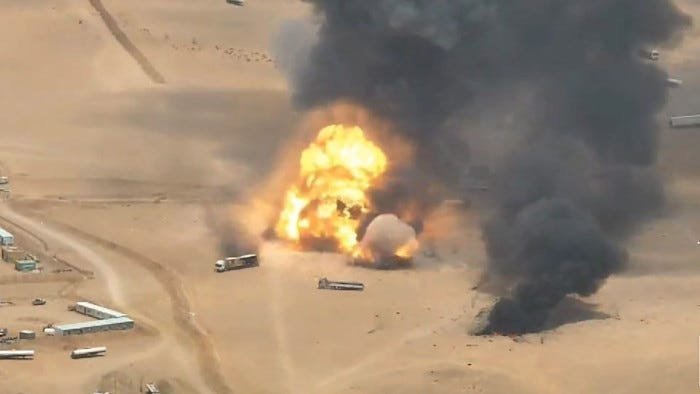
Early Thursday morning, powerful explosions rocked the Houthi-controlled Yemeni capital of Sanaa following overnight ballistic missile and drone barrages launched toward Saudi Arabia. Saudi air defenses intercepted incoming missiles over Riyadh after Houthi forces claimed strikes on the capital’s financial district and the major Ras Tanura oil refinery in eastern Saudi Arabia. The renewed attacks sent benchmark Brent crude climbing above 95 dollars a barrel while U.S. West Texas Intermediate traded near 84 dollars ahead of Sunday’s pivotal OPEC+ supply meeting.
For policymakers and energy planners in Washington, the escalating proxy attacks highlight the high stakes of the Trump administration’s ongoing maritime blockade of Iranian ports. While U.S. naval patrols have restored broader commercial tanker traffic through the Strait of Hormuz to roughly 80 percent of pre-war levels, Tehran remains cut off from seaborne oil exports and faces severe domestic currency collapse and rolling power blackouts. In diplomatic pushback at the United Nations and in Tehran, Iranian officials accused Washington of waging an economic war and denounced the U.S. military’s use of artificial intelligence in earlier combat operations, while Qatari leaders visiting Washington warned that the region cannot absorb another direct military confrontation.
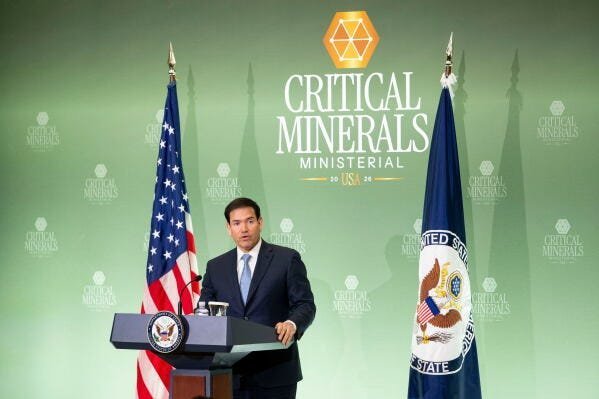
To offset regional supply chain risks and reinforce Gulf deterrence, the State Department concluded its eighth U.S.-Qatar Strategic Dialogue in Washington this week by signing a landmark Critical Minerals Framework and advancing 38 billion dollars in bilateral air defense and counter-drone cooperation. At the same time, U.S. Central Command issued rare public praise for Syrian security forces after authorities in Damascus and Tartous intercepted cross-border weapons shipments bound for Lebanon alongside millions of Captagon pills, signaling a tentative counter-trafficking alignment between Washington and the Syrian government.
Along the eastern Mediterranean, political drama in Jerusalem unfolded parallel to sustained military operations on multiple fronts. Israeli caretaker Prime Minister Benjamin Netanyahu demanded the immediate dismissal of his decade-long corruption trial on Wednesday after presiding judges questioned the prosecution’s bribery charges and recommended dropping the case, handing the veteran leader a major boost as he fights to form a coalition following October’s inconclusive parliamentary elections. Meanwhile, Israeli forces carried out targeted strikes against a senior Hamas operative in Gaza and conducted heavy artillery and air operations across southern Lebanon, where Hezbollah leader Naim Qassem warned Lebanese authorities against holding five detained operatives accused of forming an armed cell.