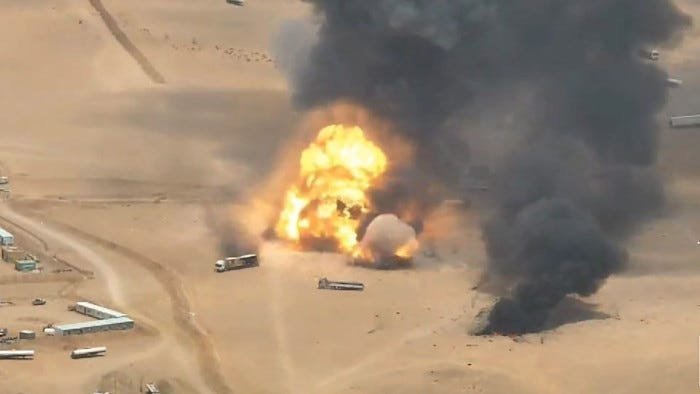
A catastrophic fuel tanker explosion in Cairo that claimed at least 31 lives, a major constitutional victory for South African President Cyril Ramaphosa, and an internal leadership revolt at Africa’s premier public health agency dominated breaking developments across the African continent over the past 24 hours, carrying major humanitarian, economic, and strategic implications for policymakers in Washington.
In Egypt, emergency crews worked into Thursday morning to clear charred wreckage along Cairo’s densely packed Ring Road in Giza after an overturned petroleum tanker ignited a massive fireball that engulfed surrounding commuter vehicles. Egyptian health officials confirmed at least 31 fatalities and 15 hospitalizations, prompting Prime Minister Mostafa Madbouly to order an immediate investigation into hazardous fuel transport protocols.
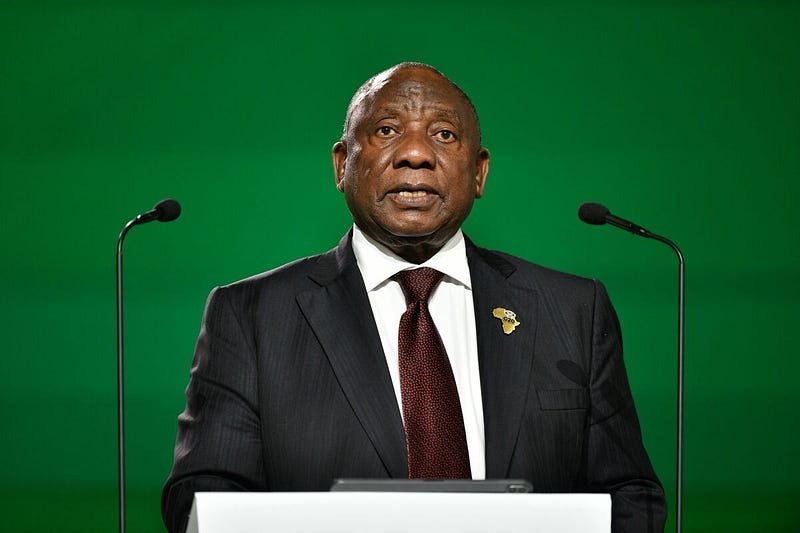
In Southern Africa, President Cyril Ramaphosa secured a decisive legal triumph after the Western Cape High Court set aside the 2022 Section 89 independent panel report into the Phala Phala farm scandal, effectively eliminating the parliamentary impeachment threat that had shadowed his administration. Addressing domestic governance and foreign trade pressures simultaneously, Ramaphosa confirmed that Pretoria remains engaged in urgent diplomatic negotiations with the Trump administration in Washington to reverse South Africa’s exclusion from the African Growth and Opportunity Act. Meanwhile, South African vaccine manufacturer Biovac announced plans backed by European Investment Bank financing to launch end-to-end production of an oral cholera vaccine in Cape Town by late 2028, aiming to reduce the continent’s dependence on imported doses.
Public health governance faced sharper turbulence in Addis Ababa, where the governing board of the Africa Centers for Disease Control and Prevention ordered a comprehensive performance and financial review of Director-General Dr. Jean Kaseya ahead of a mid-December reappointment decision. The scrutiny follows a staff petition alleging toxic management alongside an external audit flagging nearly 50 financial irregularities. The leadership crisis unfolds at a perilous moment for global health security monitored closely by U.S. health agencies, as an escalating Ebola outbreak in the Democratic Republic of Congo has killed 5,775 people across eight provinces while Allied Democratic Forces militants trap medical responders in Ituri province and Kinshasa enforces an abrupt suspension on cobalt exports.
Elsewhere across the continent, escalating conflict and energy milestones underscored Africa’s shifting geopolitical landscape. In Sudan, deadly drone strikes pounded Ed Damazine and Ar Rusayris in Blue Nile State, killing at least 17 civilians as United Nations officials warned that severe funding shortfalls have forced the closure of hundreds of nutrition and health centers. In Lusaka, Zambian authorities banned public demonstrations opposing a contentious push to scrap presidential term limits, while Kenyan officials announced at an energy summit in Juba that commercial oil production will officially commence at 20,000 barrels per day before the end of December.