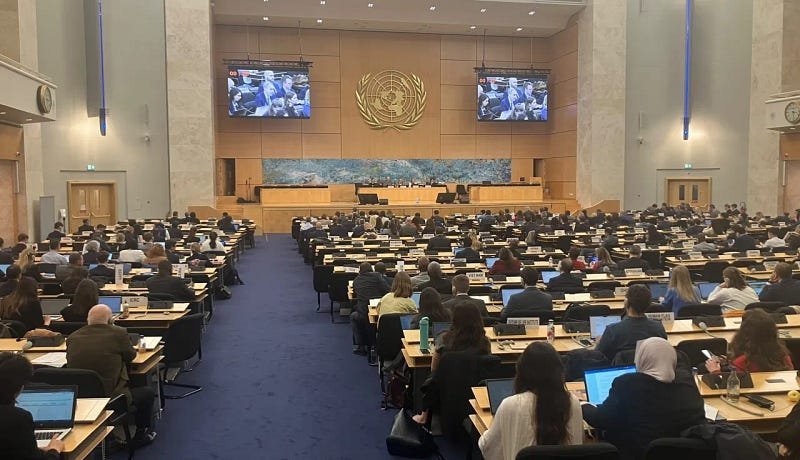
Lawmakers across the 27-nation bloc convene in Strasbourg, France, on Monday afternoon, November 23, for a high-stakes four-day European Parliament plenary session dominated by fierce battles over Europe's long-term spending priorities, proposed digital taxes targeting American technology firms, and retaliatory measures against United States sanctions on international judges. Opening under the gavel of European Parliament President Roberta Metsola following afternoon talks with European Commission President Ursula von der Leyen, the November 23–26 session arrives at a moment of acute geopolitical friction following the weekend collapse of the COP31 climate summit and fresh diplomatic outreach from British Prime Minister Andy Burnham. For policymakers and corporate leaders in Washington, this week's legislative debates in Strasbourg carry major implications for transatlantic trade, defense spending, and regulatory alignment heading into 2027.
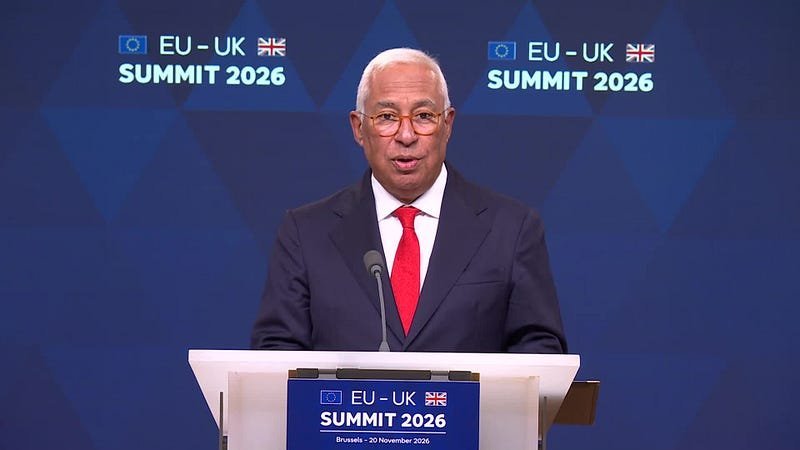
At the top of the political agenda is an escalating showdown over the European Union's €1.582 trillion long-term budget for 2028 through 2034 ahead of Wednesday's formal plenary debate. Over the weekend, European Council President António Costa circulated a revised budget compromise that slashes €180.6 billion from the European Commission's original spending blueprint, targeting deep reductions to the European Competitiveness Fund, joint defense initiatives, and external action programs. Senior members of the European Parliament immediately rejected the austerity package as unacceptable, warning that gutting defense and industrial competitiveness undermines Europe's strategic autonomy at a time of heightened global instability. To help plug the fiscal gap, Costa proposed a new three percent European digital services tax on online advertising, digital intermediation, and user data revenues—a levy squarely aimed at major American tech giants such as Google, Meta, Amazon, Apple, and Microsoft that risks triggering fresh tariff retaliation from President Donald Trump.
Transatlantic legal friction will take center stage on Wednesday when lawmakers vote on a sweeping resolution demanding that Brussels shield the International Criminal Court from American sanctions and foreign political coercion. Drafted after Parliament awarded its prestigious 2026 Sakharov Prize for Freedom of Thought to the court and its officials last month, the measure urges the European Commission to activate the EU Blocking Statute to neutralize the extraterritorial reach of U.S. financial penalties targeting ICC personnel. Supporters argue the bloc must defend judicial independence and the international rules-based order through concrete legal, financial, and operational backing.
Beyond institutional clashes with Washington, members of the European Parliament face a packed legislative calendar addressing domestic economic pressures, public health resilience, and regional security. On Tuesday, lawmakers will debate household affordability, elevated energy costs, and housing inflation alongside an assessment of democratic reforms and the rule of law in Hungary following its April 2026 elections. Wednesday's voting session will see Parliament endorse a landmark overhaul of EU pharmaceutical legislation alongside the Critical Medicines Act, designed to eliminate red tape, boost domestic drug manufacturing, and prevent shortages of essential antibiotics, insulin, and vaccines.
Security and diplomatic realignment round out the Strasbourg docket as Europe navigates shifting alliances on its borders. Lawmakers will debate Europe's capacity to secure a just and lasting peace in Ukraine, examine eastern border security challenges, and assess EU political relations with Syria two years after the fall of the Assad regime, while also voting on updated internal market agreements with Switzerland. Meanwhile, European Parliament leaders have warmly welcomed last Friday's UK-EU summit agreements signed with Prime Minister Burnham, signaling strong legislative backing in Brussels for deeper post-Brexit cooperation even as hardline Eurosceptic factions inside Parliament push to dismantle traditional political firewalls ahead of upcoming national elections across Spain, France, and Poland.