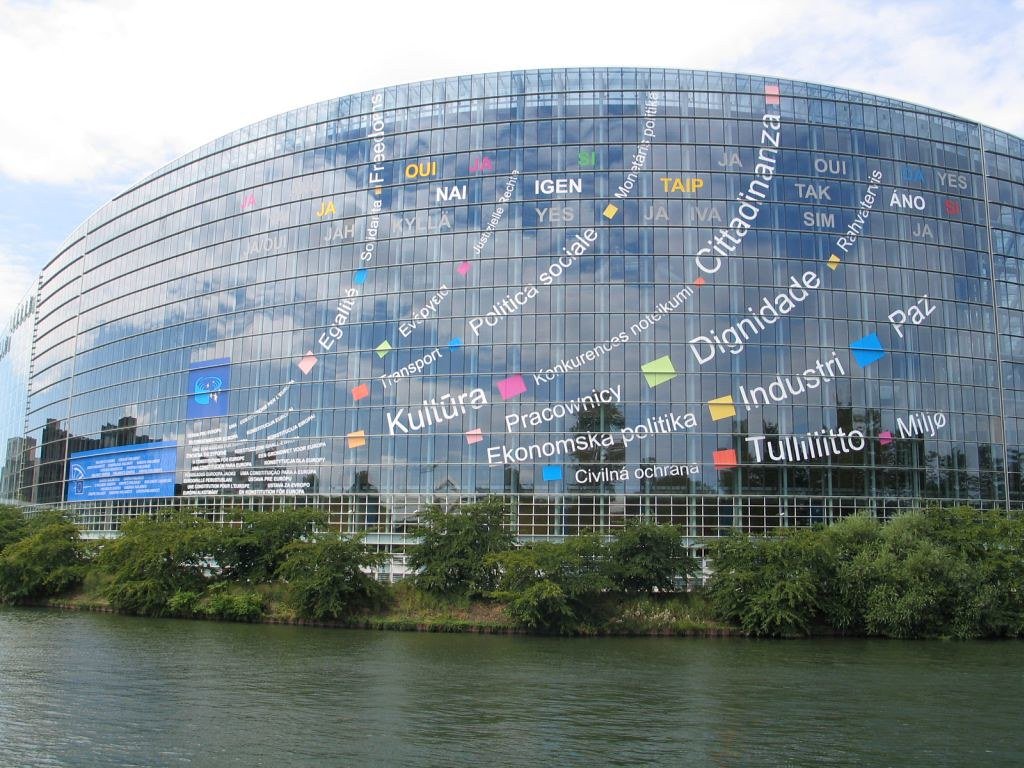
STRASBOURG — The European Parliament formally announced its negotiating mandate for the flagship 2028–2034 AgoraEU programme at the opening of its Strasbourg plenary session on Monday, setting the stage for high-stakes budget talks over a proposed €10.72 billion package aimed at fortifying independent journalism, creative industries, and democratic resilience across the 27-nation bloc.
Joint rapporteurs Emma Rafowicz of France and Alice Kuhnke of Sweden will brief international correspondents on Wednesday, November 25, at 11:30 a.m. Central European Time from the Daphne Caruana Galizia press conference room in Strasbourg to outline Parliament's strategy ahead of interinstitutional negotiations with European Union member states. Lawmakers are demanding a substantial increase over the European Commission's initial €8.58 billion proposal, arguing that rising disinformation, authoritarian pressures, and financial strains on local media require far stronger institutional backing.
Under the parliamentary mandate, lawmakers restructured the funding architecture from three strands into five dedicated pillars to guarantee ring-fenced support for vulnerable sectors. The blueprint allocates 29.5 percent of the total budget to democracy, citizenship, equality, rights, and values, alongside 25 percent for European audiovisual works and video games and 21 percent for cultural heritage and artistic exchange. Crucially, legislators carved out a standalone 13.5 percent funding stream dedicated exclusively to independent news outlets, investigative journalists, and fact-checking organizations, paired with an 11 percent allocation for the Daphne programme to combat gender-based violence and support survivors.
The parliamentary push arrives amid intensifying fiscal negotiations in Brussels, where European Council President António Costa recently floated trimming overall long-term EU spending by €204 billion to satisfy budget-conscious national capitals. By anchoring media pluralism and civil society protections inside a unified seven-year financial framework, Rafowicz and Kuhnke aim to ensure European democracies possess durable defenses against foreign interference and economic contraction heading into the next decade.