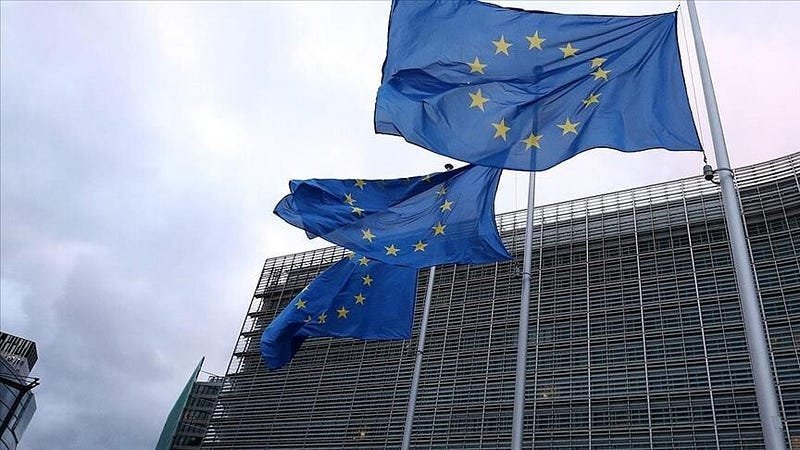
STRASBOURG , — The European Parliament voted on Thursday, November 26, 2026, to endorse a two-year postponement of strict methane monitoring and reporting obligations for crude oil, natural gas, and coal importers, granting global energy suppliers and American liquefied natural gas exporters critical breathing room amid strained international fuel markets. Confirmed during a plenary session by a vote of 341 to 224 with 31 abstentions, the fast-tracked agreement pushes back compliance deadlines originally scheduled to begin on January 1, 2027, alongside methane intensity reporting previously slated for August 2028, directly addressing industry warnings that rigid enforcement could choke off vital fuel deliveries during ongoing Middle East conflict and elevated global energy prices.
Under the revised compromise negotiated between European Parliament and Council of Ministers representatives on November 19, 2026, energy importers will now have until May 2030 to demonstrate that supply contracts concluded or renewed since August 4, 2024, cover fuels subject to monitoring, reporting, and verification standards equivalent to European Union regulations. While the European Commission initially proposed a shorter delay, lawmakers and member states opted for a full two-year extension to safeguard European energy security and prevent supply bottlenecks across power utilities and industrial manufacturers. For U.S. energy producers, Gulf Coast LNG terminals, and global commodity traders—who represent Europe's primary alternative to Russian pipeline gas—the delay removes an immediate regulatory barrier that threatened to disrupt transatlantic contract renewals in early 2027.
Originally enacted on August 4, 2024, the European Union's methane regulation stands as the world's first comprehensive climate statute governing upstream methane leaks, venting, and flaring not only within domestic borders but across imported fossil fuel supply chains. By deferring third-party equivalence enforcement until 2030, Brussels aims to balance long-term decarbonization targets with immediate geopolitical realities as maritime disruptions and regional hostilities keep global oil and gas markets on edge. The urgent legislative measure now awaits formal rubber-stamping by the Council of Ministers before entering into force upon publication in the EU Official Journal.