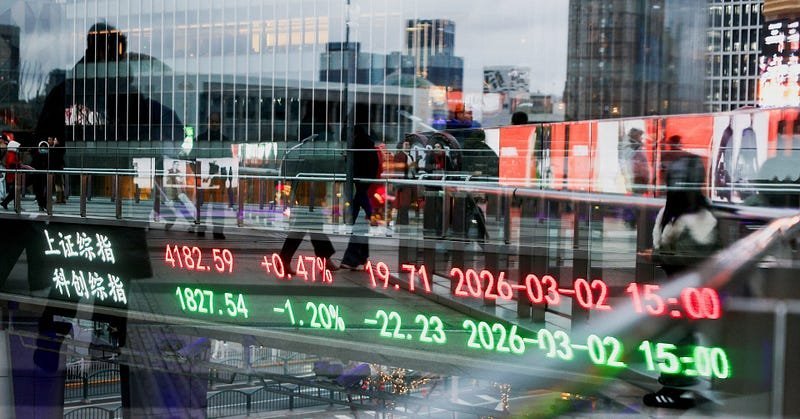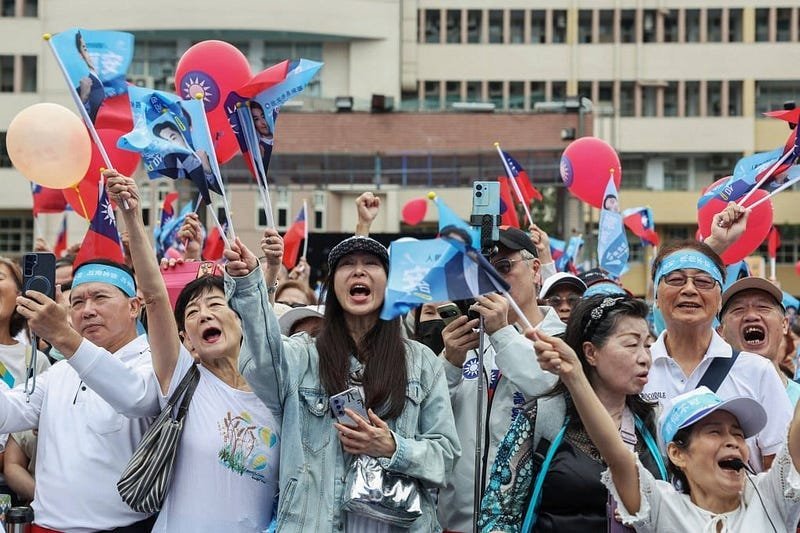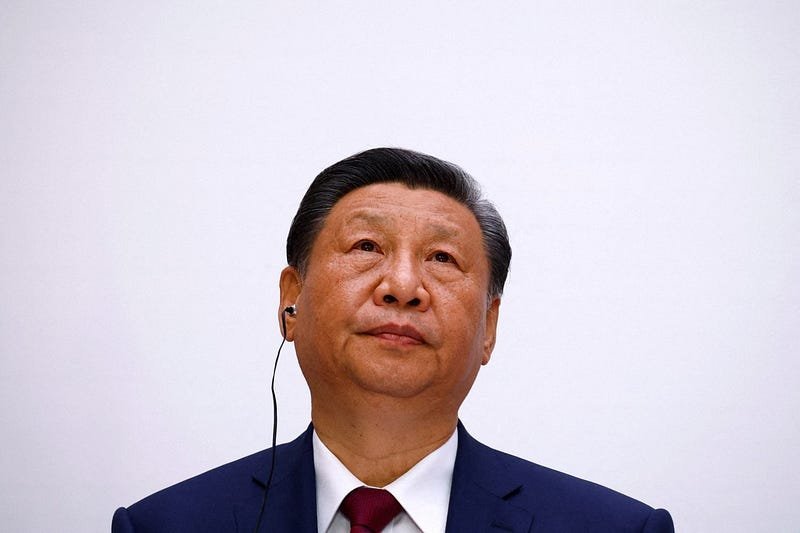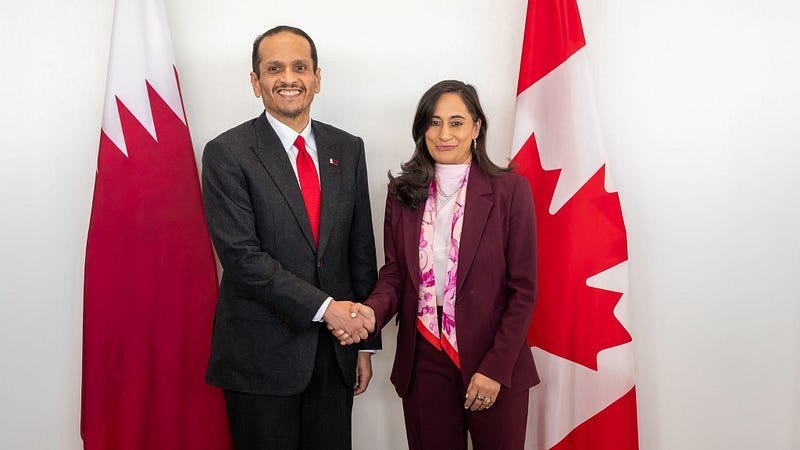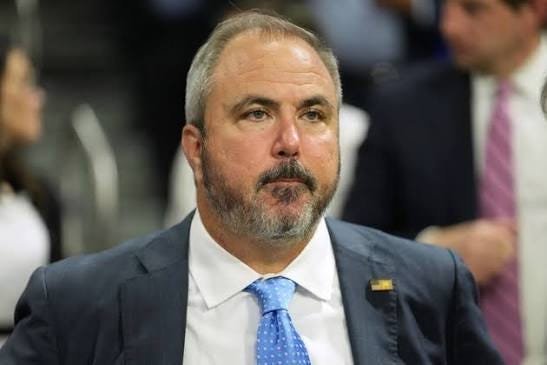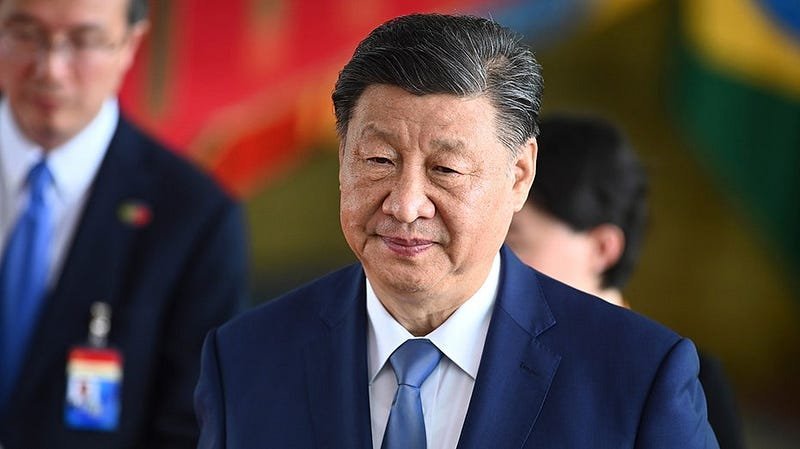
BEIJING, — Chinese President Xi Jinping's government warned on Thursday, November 26, 2026, that Beijing reserves the right to take necessary retaliatory measures to defend its economic interests after the Trump administration unveiled a sweeping new tariff package threatening duties of up to 40 percent on Chinese imports if bilateral trade talks collapse. The sharp escalation injects fresh volatility into U.S.-China relations just one week after Xi hosted President Donald Trump and Russian President Vladimir Putin for a historic trilateral summit in Shenzhen, and weeks before Xi and Trump are scheduled to meet for the fourth time this year at the G20 Leaders Summit in Doral, Florida.
Enacted under Section 301 of the Trade Act following months of U.S. investigations into alleged industrial overcapacity, the proposed American levies impose a 20 percent tariff rate within the bounds of the current bilateral trade truce set to expire in January 2027, while warning that rates will automatically double to 40 percent stacked atop existing duties if Beijing fails to uphold its commitments. Chinese Commerce Ministry spokesperson He Yadong condemned the move during a regular press briefing in Beijing, urging Washington to abandon unilateral pressure and return to dialogue, while the Chinese Embassy in Washington rejected allegations of industrial overcapacity as a false premise. Despite the rhetorical clash, Beijing simultaneously signaled restraint by extending its suspension of strict export controls on critical minerals—including gallium, germanium, and antimony—until late January 2027, alongside a major 50-aircraft Boeing order from Xiamen Airlines, underscoring Xi's strong incentive to preserve tactical economic stability ahead of the 21st Communist Party Congress in October 2027.
Domestically, Xi is pairing cautious external crisis management with an aggressive political housecleaning at the highest levels of the Chinese Communist Party. Political and financial circles across Asia and Washington remain focused on the abrupt anti-corruption investigation launched this week against Shanghai Communist Party Secretary Chen Jining, a 62-year-old British-educated environmental scientist and sitting Politburo member long viewed as a rising star and potential successor. His sudden ouster makes him the fourth sitting member of the 24-person Politburo removed since 2022, reinforcing Xi's uncompromising demand for ideological loyalty across China's financial capital and senior leadership ranks ahead of next year's pivotal leadership reshuffle.
For American corporations, global supply chain executives, and policymakers in Washington monitoring Beijing's next move, Xi's dual posture reflects a calculated strategy of projecting unchallenged domestic authority while avoiding a full-scale commercial rupture before December's G20 summit. How Beijing and Washington navigate the January expiration of their fragile trade ceasefire—balancing U.S. demands on industrial capacity against China's leverage over rare earths and critical manufacturing—will determine whether the world's two largest economies stabilize ties in Florida or slide into a renewed trade war entering 2027.