
US Election Stories 2026 · 03
Democratic Supermajority Sweeps Vermont as Massive Midterm Realignment Shatters Republican Fiscal Strategy and Shifts New England Geopolitics
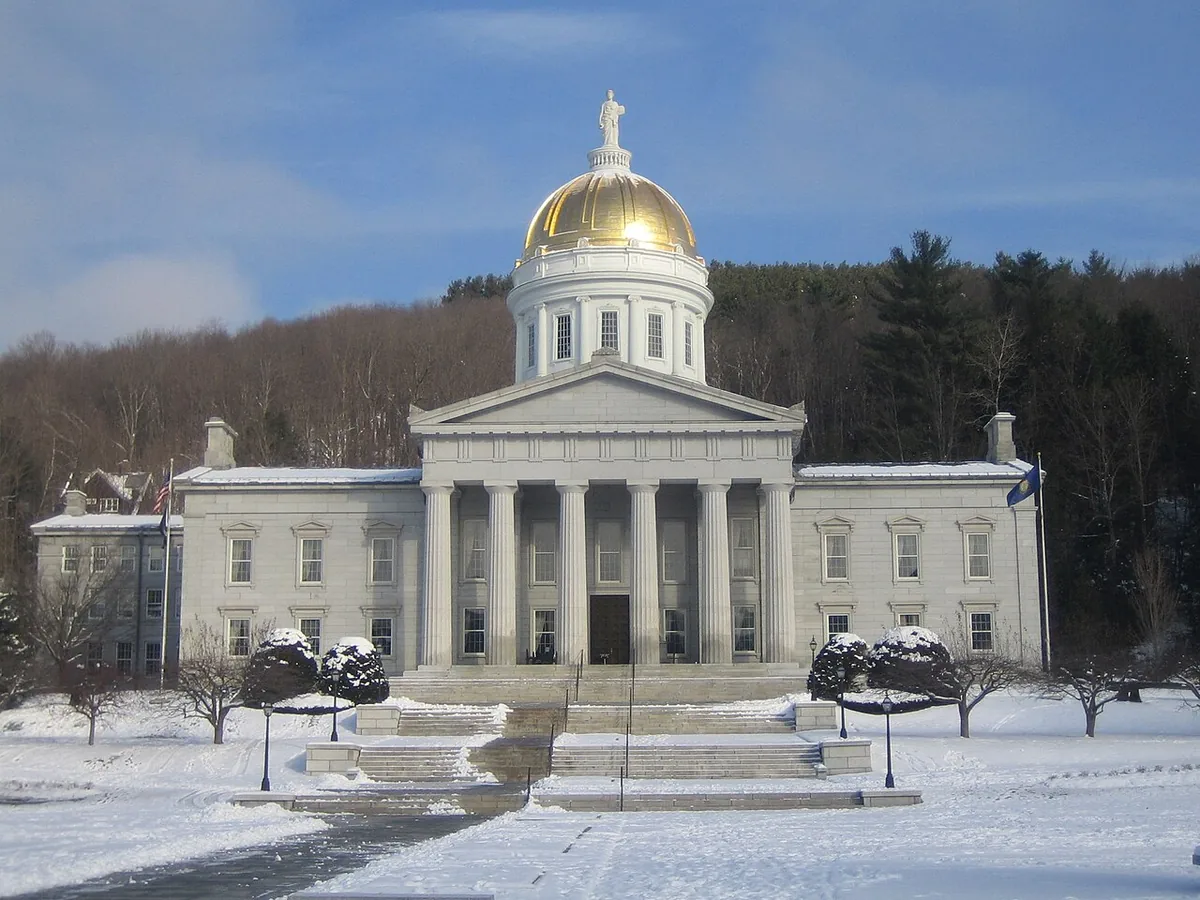

A historic progressive surge has fundamentally altered the balance of legislative power in the American Northeast as partial election returns confirm that the Vermont Democratic Party has captured a commanding supermajority in both chambers of the state legislature. The sweeping victories have dealt a severe blow to the regional conservative coalition which had previously utilized its legislative numbers to support the fiscal agenda of the executive branch. In an immediate post election address Vermont Republican Party Chairman Paul Dame conceded that the party had suffered immense losses across both the House and the Senate. The political shift effectively rolls back the legislative dynamics to the contentious sessions of recent years when progressive factions maintained unchecked authority to drive public policy.
The unexpected collapse of the conservative coalition comes despite a highly focused regional campaign that highlighted recent bipartisan victories including targeted tax relief for veterans alongside caps on property tax expansions. Political analysts note that the localized emphasis on economic affordability was entirely overwhelmed by a massive national electoral wave directed against the federal conservative establishment. This overarching federal dynamic completely reshuffled regional voter patterns and neutralised the traditional incumbency advantages built by moderate New England conservatives. The loss of these pivotal legislative seats effectively limits the executive branch from exercising structural veto power over upcoming budgetary allocations and social reforms.
International observers and economic institutions are tracking the developments closely as the new progressive supermajority prepares to advance ambitious legislative frameworks regarding carbon taxation and public health infrastructure. The definitive legislative control achieved in Montpelier mirrors broader progressive gains across the Atlantic coast and signals a renewed willingness to implement aggressive state level taxation strategies. While regional conservative leadership vows to hold the incoming majority accountable for their campaign promises on fiscal relief the immediate reality points toward a significant acceleration of progressive governance. The outcome confirms that national political realignment can swiftly overwrite localized policy debates and force even traditionally independent states into broader ideological blocks.