Full articles are free to read through December 10, 2026 (IST). Subscriptions remain available.
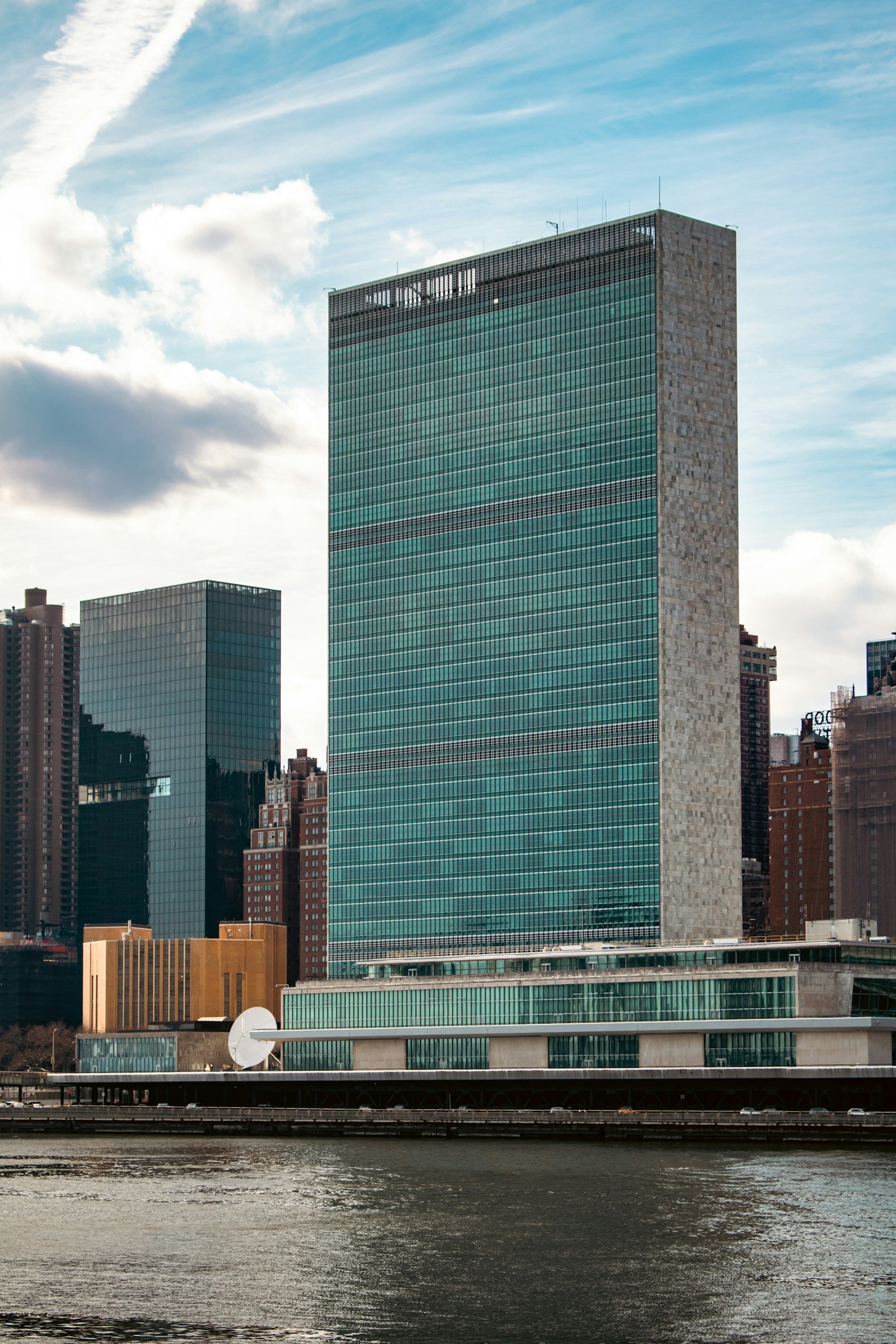
NEW YORK — In a significant synchronization of international jurisprudence and global governance, the United Nations has finalized plans to initiate a high-stakes election sequence that will fundamentally reshape the composition of the International Court of Justice. The concurrent deployment, scheduled to commence at the UN Headquarters in New York on November 3, 2026, forces the two most powerful bodies of the global assembly to vote simultaneously on major judicial appointments. This institutional vote arrives at a critically volatile period for international law, where cross-border border contentions, trade frameworks, and climate-related litigation are increasingly filtering into the World Court for definitive mediation.
The complex diplomatic protocol requires the UN Security Council and the UN General Assembly to operate in lockstep, convening separate high-level sessions inside their respective historic chambers at the exact same hour. While the Security Council meets under strict diplomatic codes to review specialized document bundles, the General Assembly will launch its thirty-fifth plenary meeting to address the broader membership mandates. For global analysts and international legal observers tracking the balance of power, this rare simultaneous balloting system ensures that no single geopolitical bloc can unilaterally dominate the selection of the five incoming judges who will hold jurisdiction over state-level disputes for the next decade.
The high-stakes voting sequence will transition directly into a localized executive briefing, where the official sookesperson for the Secretary-General will address international newsrooms to contextualize the emerging selections and manage public expectations. UN media directors confirmed that access to these strategic briefing halls remains limited to accredited global agencies to preserve the diplomatic neutrality of the proceedings. For international trade partners, cross-border corporate conglomerates, and foreign ministries tracking the predictability of international civil jurisdiction, the ultimate composition of this revamped bench will serve as a vital structural bellwether for the future enforcement of global maritime regulations and diplomatic treaties.