WASHINGTON, D.C. — The U.S. Department of Commerce formally added Singapore-based artificial intelligence data center operator Megaspeed and its subsidiary Speedmatrix to its federal trade blacklist on Monday, barring the Asian technology firm from acquiring American semiconductors and software over allegations that it funneled restricted Nvidia processors to China.
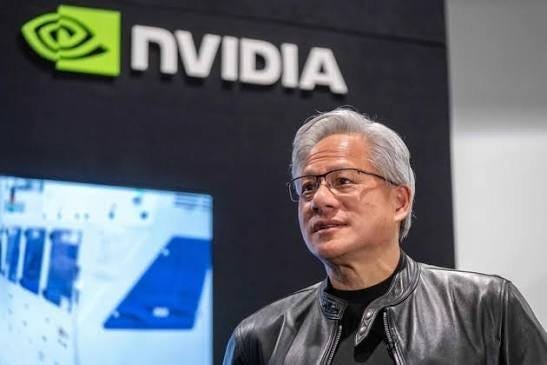
The sweeping Entity List designation landed on the exact same day Nvidia's board of directors reinstated co-founder Jensen Huang as Chief Executive Officer following personal intervention from President Donald Trump. Huang had stepped down on November 12 after disclosing a personal relationship with former Megaspeed executive Alice Huang, whom American intelligence officials suspect of acting as an asset for Beijing. While federal officials assured Nvidia's board that Huang faces no criminal charges, regulators moved decisively to cut Megaspeed off from U.S. supply chains after a nearly two-year Commerce and Justice Department investigation.
Federal investigators suspect Megaspeed, which purchased billions of dollars worth of high-end graphics processing units before Nvidia placed the company on an internal no-sell list in June 2025, illegally diverted hardware to Chinese clients and rented out remote computing capacity to major Chinese tech firms including Alibaba. Placing the company on the Entity List requires American suppliers to obtain a virtually unobtainable federal export license before shipping any controlled technology to Megaspeed's facilities across Singapore and Malaysia.
Monday's enforcement action resolves weeks of high-level friction inside the Trump administration, where Treasury Secretary Scott Bessent had publicly pressed Commerce Secretary Howard Lutnick to accelerate export restrictions against the firm. The blacklisting also builds upon sweeping interim export rules unveiled by the Bureau of Industry and Security last week requiring data center operators in Singapore, Malaysia, Thailand, Indonesia, and Brazil to secure U.S. government licenses before purchasing advanced American chips or offering cloud computing access to Chinese entities.
Chinese officials rejected the espionage allegations and warned Washington against weaponizing national security probes to erect a global technological blockade, while Megaspeed has denied transferring restricted hardware into mainland China. As Southeast Asia's booming data center sector navigates tighter American compliance rules, Capitol Hill lawmakers are preparing to grill Huang during a December 3 Senate Banking Committee hearing over how billions of dollars in sensitive American computing power flowed through regional intermediaries.