Full articles are free to read through December 10, 2026 (IST). Subscriptions remain available.
BB news International Reporter | 20th February 2026
LJUBLJANA, Slovenia — In a geopolitical landscape increasingly defined by shifting alliances and economic recalibration, the diplomatic synergy between Slovenia and Switzerland has emerged this week as a gold standard for bilateral cooperation. The Deputy Prime Minister and Minister of Foreign and European Affairs of Slovenia hosted Swiss Minister of Foreign Affairs Ignazio Cassis in Ljubljana for a high-stakes summit that both nations describe as an exceptionally friendly, future-oriented dialogue. This visit, characterized by a conspicuous lack of bilateral friction and a shared vision for technological sovereignty, underscores a deepening alliance that transcends traditional European Union boundaries. For the international community and observers in Washington, the meeting signals the rise of a potent "Alpine axis" dedicated to economic resilience, sustainable development, and a firm commitment to the stabilization of the Western Balkans.
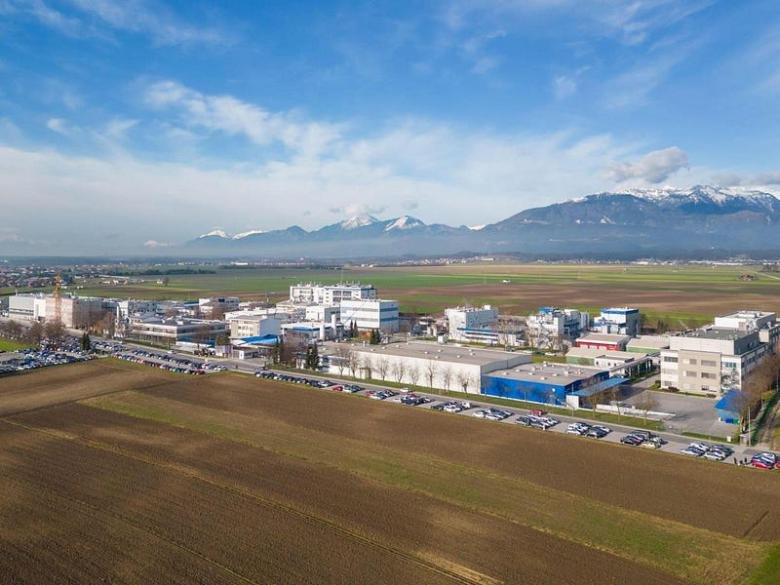
The bedrock of this relationship remains a robust and rapidly evolving economic exchange that has long outpaced regional averages. Switzerland has solidified its position as one of Slovenia’s premier foreign trade partners and currently ranks as the third-largest investor in the Slovenian economy, a statistic that reflects a profound level of mutual trust. While the pharmaceutical sector has historically served as the cornerstone of this financial bridge driven by massive research and manufacturing investments that have turned Slovenia into a regional life-sciences hub the ministers emphasized that the next phase of their partnership will diversify into high-frontier industries. From the development of sophisticated space technologies and the integration of digitalization in public services to the expansion of renewable energy and the circular economy, both nations are positioning themselves as leaders in the global green transition. This economic maturity reflects a sophisticated symbiosis where Swiss capital meets Slovenian technical expertise to foster long-term competitiveness on the global stage.
Beyond the balance sheets and trade deficits, the cultural and linguistic ties between Ljubljana and Bern have reached a unique and symbolic milestone during this visit. Slovenia is currently hosting the Romansh Language Week, marking only the third time this specific cultural celebration has occurred outside Swiss borders. By elevating the Romansh language, a minority Rhaeto-Romanic tongue, Slovenia is signaling its sophisticated approach to European identity one that prizes multilingualism and cultural diversity as strategic assets rather than administrative burdens. This cultural diplomacy serves as a soft-power lubricant for the more rigid negotiations of trade and security, proving that the two nations are linked by deep-seated values as much as they are by the rugged Alpine geography they share.
The ecological and regional cooperation within the Alpine space also took center stage during the discussions, highlighting a shared responsibility for the "Water Tower of Europe." Through the EU Strategy for the Alpine Region and the Alpine Convention, Slovenia and Switzerland are demonstrating that environmental protection is not an obstacle to economic progress but a prerequisite for it. By working within the Quadrilateral framework alongside Austria and Liechtenstein, they are creating a blueprint for mountain-region governance that balances sustainable tourism with the preservation of delicate ecosystems. This "Alpine model" is increasingly seen as a vital case study for other world regions grappling with the dual pressures of climate change and the need for industrial modernization, proving that high-altitude economies can be both green and profitable.
On the multilateral front, the meeting served as a debriefing of a highly successful period of collaboration within the United Nations, where both nations have recently played outsized roles. Minister Fajon expressed profound gratitude for the synergy displayed during the joint membership of Slovenia and Switzerland in the UN Security Council in 2024. This cooperation has continued seamlessly as Slovenia began its third mandate on the UN Human Rights Council this year, following the conclusion of the Swiss presidency of the same body in 2025. The exchange of experience between the two countries in these high-stakes international forums has allowed both to punch above their weight, advocating for human rights and cohesive global responses to security crises with a unified, principled voice that resonates far beyond the European continent.
The most pressing geopolitical concern addressed by the ministers was the future of the Western Balkans and the perceived stagnation of European Union enlargement. Minister Fajon was resolute in her stance that the region cannot be left in a state of political limbo, which only serves to invite instability. The ministers agreed that the integration of the Western Balkans into the European fold is a strategic necessity for the stability of the entire continent. As the security environment in Europe remains volatile due to the ongoing war in Ukraine and shifting tensions in the Middle East, particularly in Gaza and Iran, the Slovenian and Swiss leadership view the Western Balkans as a frontline for European security. They called for increased political attention and a clear, credible European perspective for the region to prevent external actors from filling the vacuum left by institutional hesitation.
As Switzerland prepares for its upcoming third chairmanship of the Organization for Security and Co-operation in Europe (OSCE), Slovenia has offered its full diplomatic and strategic support. The Slovenian leadership expressed confidence that the Swiss vision, which prioritizes dialogue and de-escalation, is exactly what Europe requires to navigate its current fragmented security architecture. This endorsement is a testament to the reliability Switzerland brings to the table as a neutral yet proactive mediator in a time of great global challenges. The visit in Ljubljana has thus concluded not just with a reaffirmation of friendship, but with a clear roadmap for how two highly developed, medium-sized European nations can influence the global agenda through innovation, environmental stewardship, and a shared commitment to the rule of law.
The implications of this meeting extend far beyond the borders of Central Europe, offering a glimpse into a future where specialized bilateral partnerships drive continental stability. As Slovenia continues to assert its role as a bridge between the core of Europe and the Balkan peninsula, its alignment with Swiss economic power creates a formidable engine for growth. The focus on "untapped opportunities" in space and renewable energy suggests that both nations are looking past the current economic cycle toward the next century of industry. For international investors and policymakers, the message from Ljubljana is clear: the Slovenia-Switzerland partnership is no longer just about pharmaceuticals and trade; it is about defining the modern European standard for security, sustainability, and mutual prosperity in an increasingly complex world.