Full articles are free to read through December 10, 2026 (IST). Subscriptions remain available.
COLUMBUS, Ohio — In a significant media appearance on the absolute eve of the United States midterm elections, Ohio Democratic Party Chair Kathleen Clyde joined CNN's Wolf Blitzer on The Situation Room to deliver her party's final closing arguments. Speaking from Columbus as voters finalize their voting plans for November 3, Clyde outlined a calculated legislative message focused on inflation relief, institutional accountability, and a direct challenge to the current federal economic policies shaping the Rust Belt.
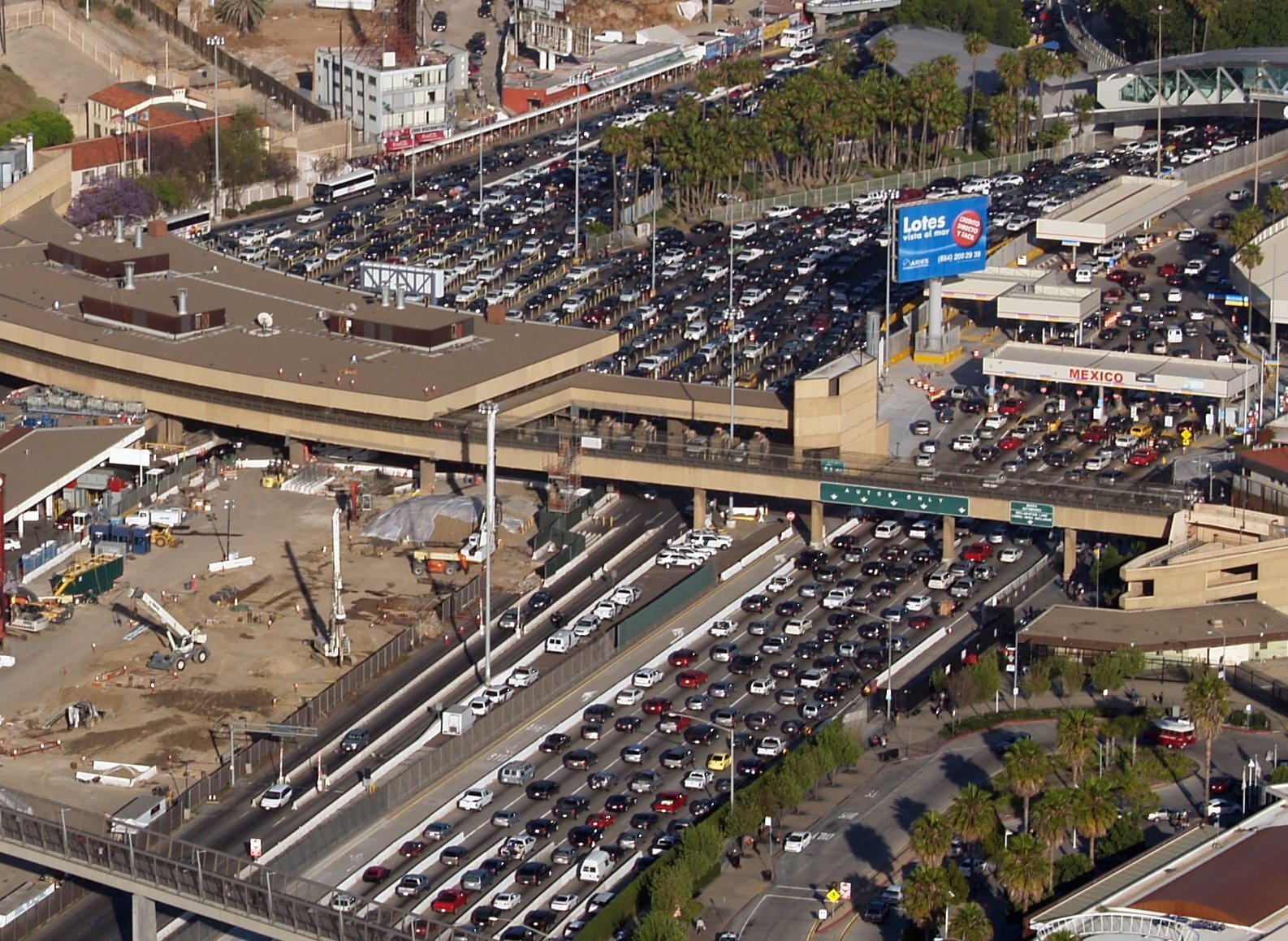
During the broadcast interview, Clyde framed the upcoming ballot-box decisions as a direct referendum on pocketbook issues, contrasting her party's domestic priorities with the active platform of Ohio Republicans. State campaign directors are aggressively targeting recent federal economic maneuvers, asserting that sweeping tariff structures have increased the retail cost of consumer goods while introducing volatile friction into critical international trade partnerships. The Democratic leadership is attempting to channel growing suburban anxieties over elevated industrial overheads into a unified mandate to lower working-class expenditures.
The opposition messaging also focused heavily on global supply chain vulnerabilities and domestic medical infrastructure. Clyde directly attributed the recent escalation in regional gas and diesel prices to ongoing geopolitical conflicts in the Middle East, while warning that proposed federal healthcare modifications threaten to compromise coverage for vulnerable communities. To counter these headwinds, the state ticket is promoting an aggressive anti-corruption platform targeting both the Washington legislative complex and the Ohio Statehouse, aiming to capture independent and moderate voters before the first polling gates lock across the state.
From an international perspective, the political alignment of Ohio remains a primary bellwether for global manufacturing sectors, transatlantic agricultural trade, and corporate investment strategies. For foreign ministries, international trade consortiums, and diplomatic attaches tracking Washington's legislative predictability, the final margins in this industrial corridor will signal whether the electorate will reinforce the administration's nationalist economic architecture or back a progressive legislative firewall. As county processing hubs prepare to receive the initial waves of physical ballots, the intense debate over tariff impacts and energy prices underscores the global consequences of regional American voting trends.