Full articles are free to read through December 10, 2026 (IST). Subscriptions remain available.
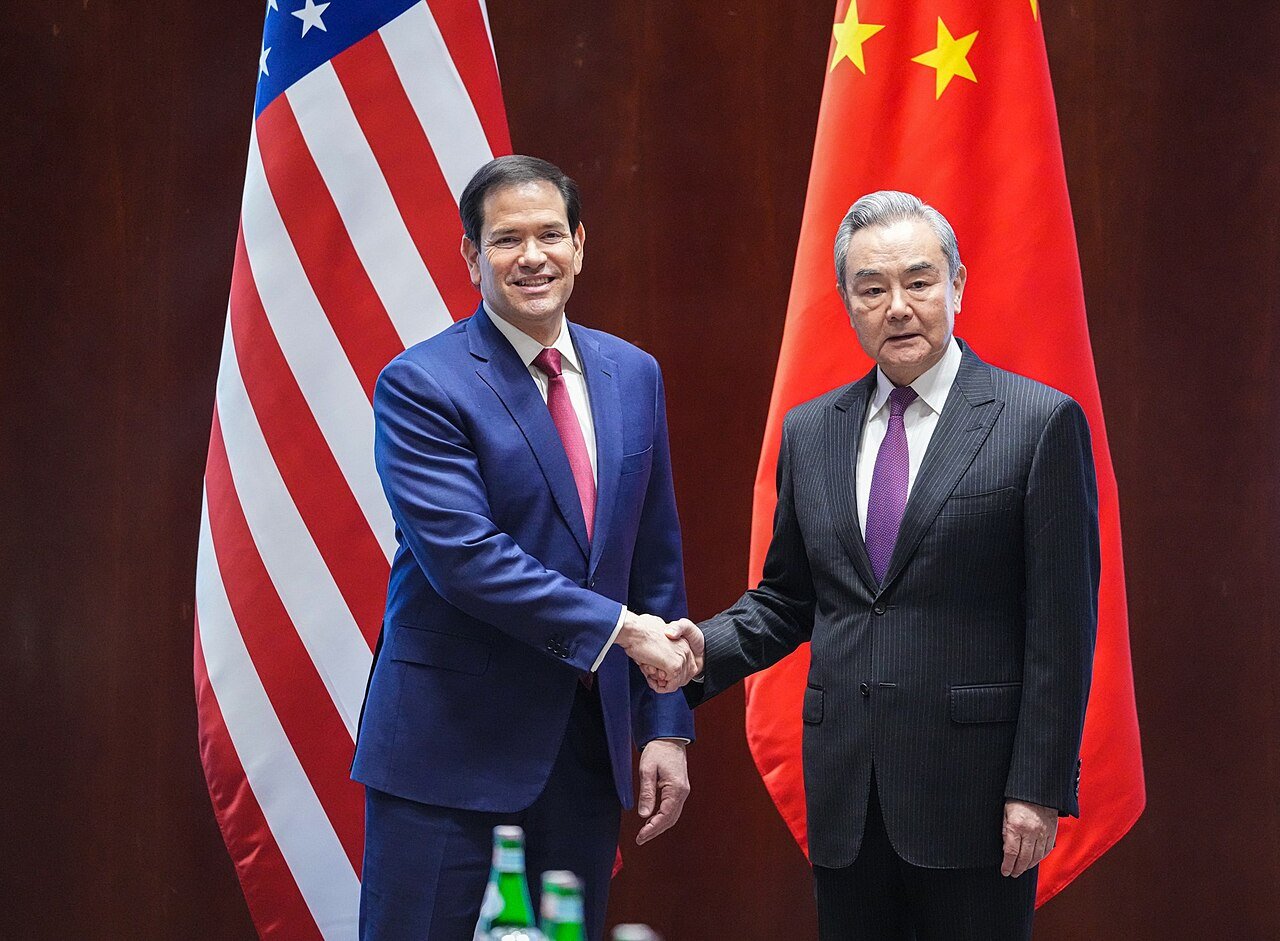
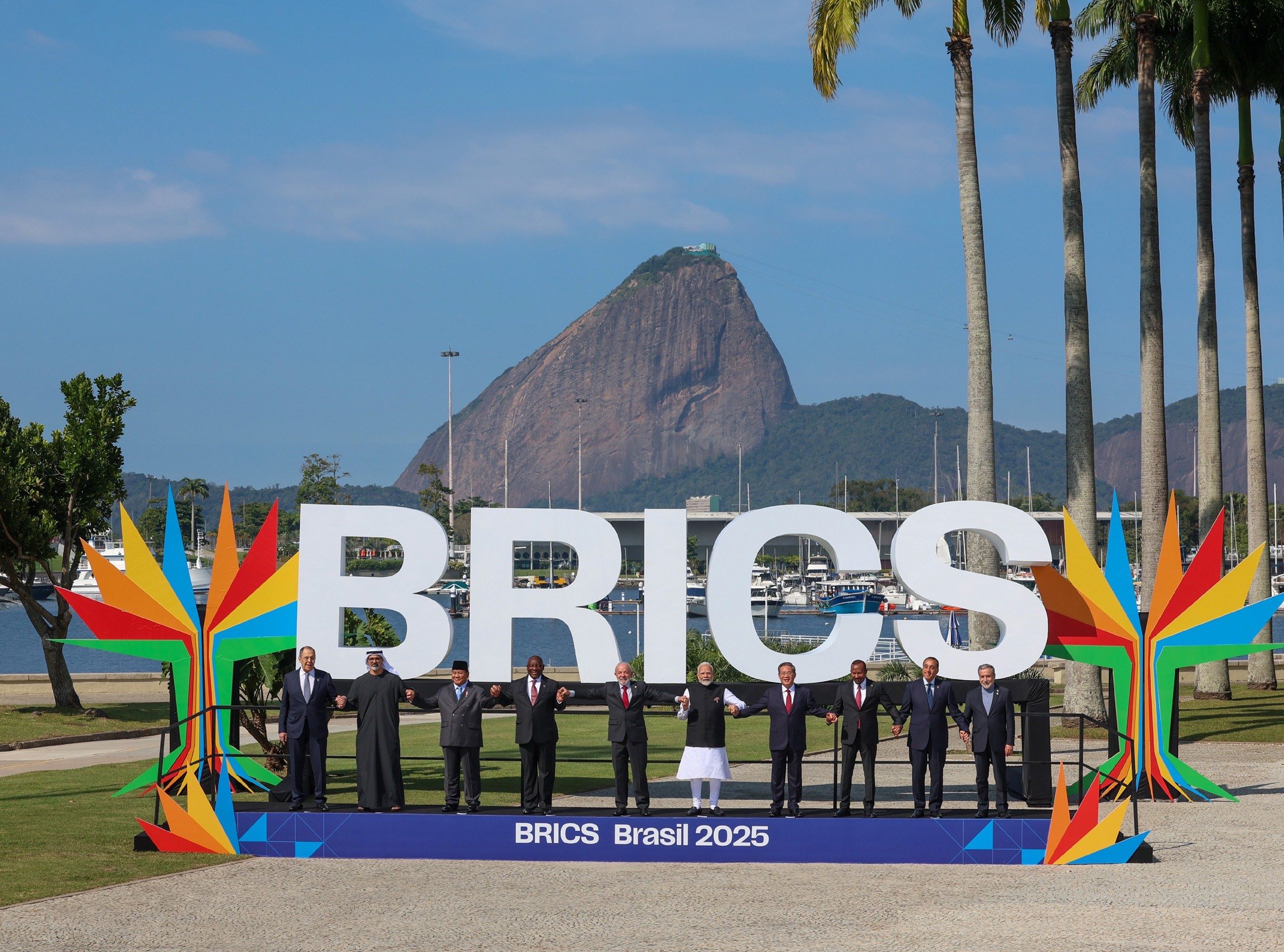
As Prime Minister Narendra Modi and Chinese President Xi Jinping sit down in New Delhi for the 18th BRICS Summit—marking Xi’s first visit to India in nearly seven years—the world’s geopolitical gaze is understandably fixed on the high-profile presidential encounter. The diplomatic choreography, carefully staged handshakes, and official communiqués are intended to project a controlled end to the bitter freeze that followed the 2020 Galwan Valley border clash. Yet, behind the public diplomacy and the bilateral summitry, strategic analysts and foreign policy observers are closely monitoring a second figure within the Chinese delegation whose presence reveals the true depth of Beijing's intentions: Cai Qi.
As a member of the Standing Committee of the CPC Political Bureau and Director of the General Office of the CPC Central Committee, Cai Qi represents the absolute apex of China’s internal political hierarchy. While Foreign Minister Wang Yi manages the public diplomatic front, Cai’s inclusion alongside Xi signals that Beijing is approaching this Indian mission not as a mere ceremonial engagement, but as an institutional exercise requiring direct alignment from the party-state’s central executive apparatus. In the opaque architecture of Chinese governance, Wang represents external policy, but Cai controls internal execution. His presence in New Delhi confirms that whatever broad strategic understandings emerge from the Modi-Xi dialogue are meant to be operationalized rapidly across China’s vast bureaucratic, regulatory, and military networks.
The context of this meeting underscores the high stakes of Cai’s inclusion. Since the deadly 2020 Himalayan stand-off, India and China have engaged in an unprecedented period of economic decoupling, military confrontation, and diplomatic paralysis. New Delhi systematically restricted Chinese investments, banned hundreds of applications, revoked visas, and suspended direct passenger flights. While the October 2024 disengagement agreements successfully halted immediate frontline escalation, the current thaw—marked by the step-by-step restoration of direct air routes, business travel, and trade normalization—remains a fragile exercise in managed stabilization rather than a grand strategic reconciliation. The underlying structural rivalries, border disputes over regions like Arunachal Pradesh, trade deficits, and regional alliances remain fully intact.
This reality explains why the internal machinery of Chinese statecraft is now being deployed in Delhi. Presidential handshakes can establish tactical momentum, but only institutional mechanisms can preserve long-term predictability. If Beijing intends to rebuild economic access, manage border friction, and stabilize its southern flank while navigating its wider global competition with the United States, its internal security agencies, economic regulators, and provincial authorities must act in strict unison with the leadership’s political signals. Cai Qi’s presence is the ultimate institutional guarantee that Beijing’s central command is directly invested in ensuring that top-level decisions are translated into bureaucratic reality once the motorcades depart.
For Washington and global capitals observing the Delhi summit, the strategic implications of this inner-sanctum delegation are profound. A stabilized Himalayan border provides Beijing with greater strategic latitude to project power elsewhere, while giving New Delhi space to manage its economic dependencies without surrendering its foundational commitment to strategic autonomy. As the expanded BRICS bloc seeks to assert greater clout on the world stage, the true test of the 2026 Summit will not be found in the joint declarations issued in the conference halls, but in whether the quiet political architecture represented by Cai Qi can transform a fragile leader-level truce into a durable framework for Asian coexistence.