Full articles are free to read through December 10, 2026 (IST). Subscriptions remain available.
By S. Vijay Kumar, International Editor | 29th April 2025
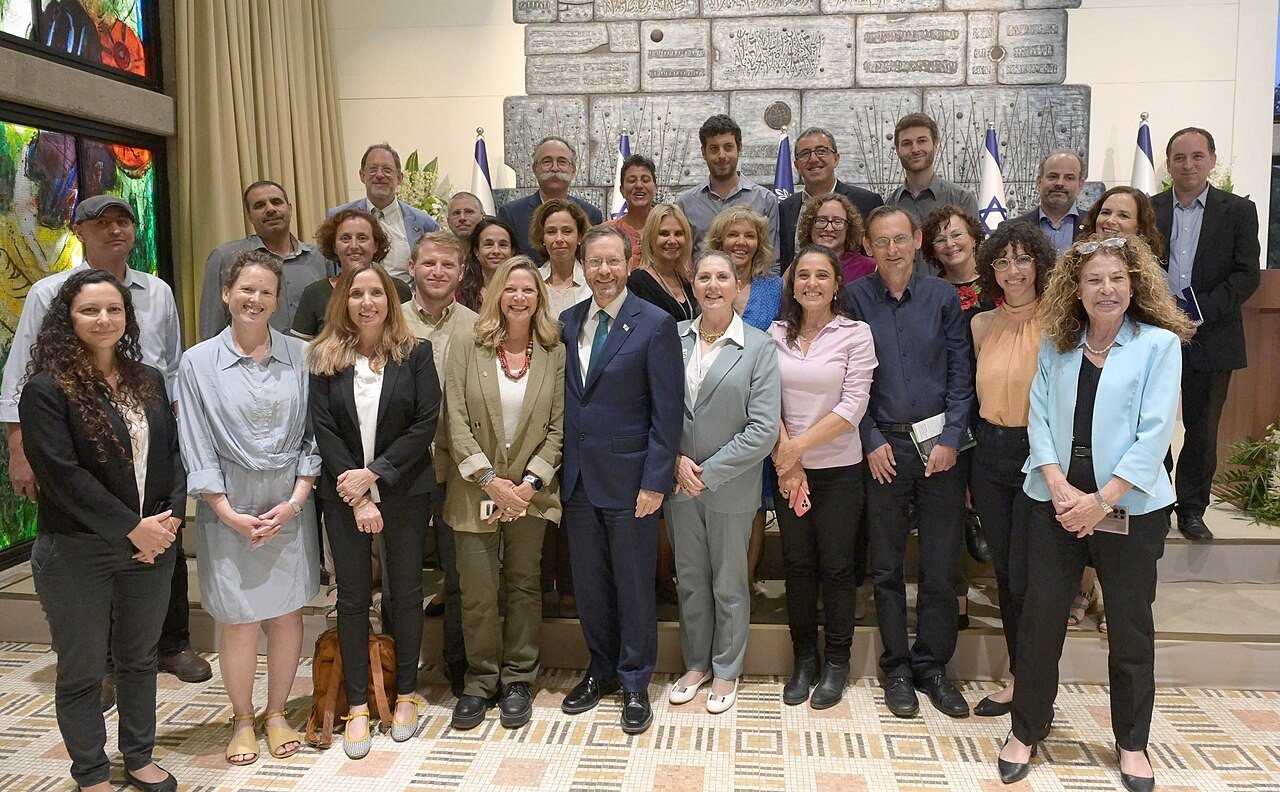
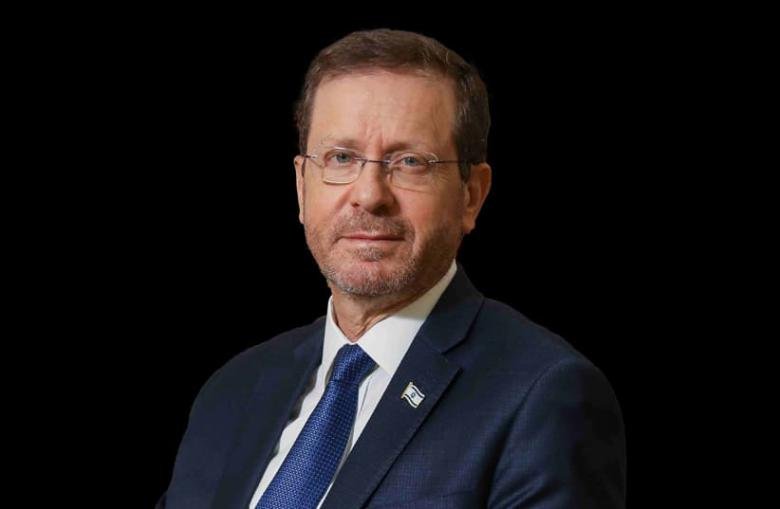
Jerusalem, Israel - In a bold and impassioned address to over 30 United Nations ambassadors gathered at the President’s Residence in Jerusalem, Israeli President Isaac Herzog issued a powerful demand for justice, transparency, and moral clarity from the international community. “We expect major change in the behavior of the international institutions, an end to hypocrisy, and much more fairness,” Herzog declared. “We are defending ourselves according to our inherent right to protect and defend our people.” His remarks came as part of a diplomatic tour led by Israel’s UN Ambassador Danny Danon, in which envoys from Europe, Africa, Asia-Pacific, Latin America, and the Pacific were given firsthand exposure to the devastation wrought by the October 7, 2023 terrorist attacks in southern Israel.
Herzog described the brutal reality of those attacks in unsparing terms, recalling how peaceful kibbutzim once symbols of coexistence were reduced to sites of horror through acts of mass abduction, rape, and murder. He called for the immediate release of hostages still held in Gaza and urged the world to recognize their plight not as a regional issue, but a humanitarian crisis demanding urgent global attention. “You’ve seen the kibbutzim,” he told the diplomats. “We saw barbarism at its worst. That has to be a top priority of the world.”
Emphasizing both resilience and aspiration, Herzog reiterated Israel’s enduring desire for peace not only with the Palestinians but also with broader regional partners, including Saudi Arabia. He spoke of Israel’s internal diversity and democratic character, where Jews, Muslims, and Christians coexist in what he described as a “unique relationship,” even amidst persistent external threats. “We were attacked from seven different corners of the earth by the same empire of evil,” he warned, signaling the multifaceted nature of the challenges Israel faces, including the looming threat of nuclear proliferation among its adversaries.
President Herzog’s message marked a stark and unapologetic appeal for equity and moral consistency from global institutions often accused by Israel of selective outrage and silence. While reaffirming Israel’s readiness to acknowledge its own mistakes, he made clear that the country’s right to defend itself is non-negotiable. In a world increasingly fractured over narratives of war, sovereignty, and justice, Herzog’s speech stood as both a declaration of national resolve and a challenge to international conscience.