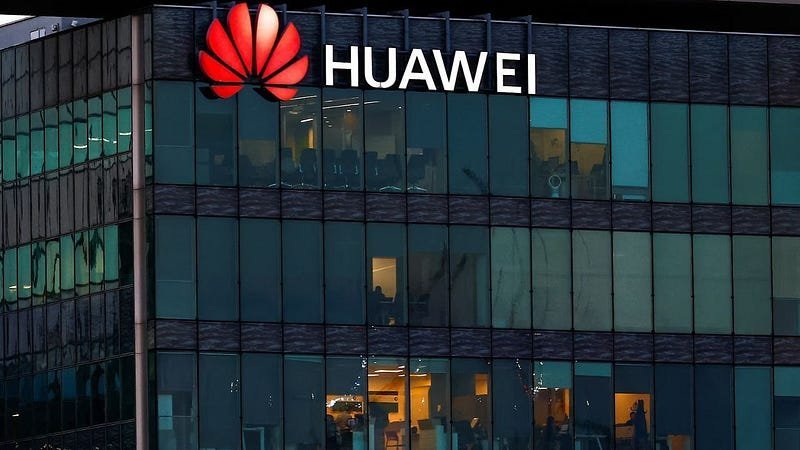
WASHINGTON, D.C., A federal jury in the Eastern District of New York convicted Chinese telecommunications giant Huawei Technologies Co. and three of its subsidiaries on Tuesday following a three-month criminal trial, delivering a landmark courtroom victory for the U.S. Justice Department over decades of sanctions evasion, financial fraud, and corporate espionage. Alongside the Shenzhen-based parent company, jurors found Chinese unit Huawei Device Co. and U.S. affiliates Futurewei Technologies Inc. and Huawei Device USA Inc. guilty of conspiring to violate U.S. sanctions against Iran, defrauding global banks, laundering money, and stealing proprietary trade secrets from American technology firms. Attorney General Todd Blanche declared that the verdict proves no foreign corporation is above American law after Huawei spent more than two decades building its global empire on deception and intellectual property theft.
Central to the federal prosecution in Brooklyn was evidence demonstrating how Huawei covertly assisted the Iranian government and its intelligence apparatus while lying to international financial institutions to maintain access to U.S.-dollar clearing services. Trial testimony established that Huawei operated in Tehran through a wholly owned subsidiary named Skycom, supplying turnkey internet infrastructure, mobile network upgrades, and surveillance cameras used by Iranian authorities and the intelligence unit Zaeim to censor internet traffic and monitor domestic protests. To secure billions of dollars in global financing, Huawei executives repeatedly misled U.S. banks, journalists, and congressional investigators by falsely claiming Skycom was merely an independent local partner and asserting that the company complied fully with American sanctions laws.
Beyond its illicit dealings with Tehran, the jury found Huawei guilty of orchestrating a systematic, multi-year campaign to steal sensitive hardware designs and source code from major U.S. competitors and business partners. Prosecutors detailed how Huawei engineers signed non-disclosure agreements in bad faith to infiltrate American laboratories, including stealing a physical robotic arm from T-Mobile's touchscreen-testing robot Tappy and copying proprietary router source code from Cisco Systems while clumsily renaming the American firm backward as "ocsic" inside the stolen files. Evidence also showed Huawei operatives used a fake "Weihua" employee badge to photograph proprietary Fujitsu equipment, recruited a university researcher to covertly extract solid-state drive technology from startup CNEX, and filed patent applications using confidential antenna slides obtained under contract from Quintel.
For national security officials in Washington and across allied Western capitals, Tuesday's guilty verdict validates years of strict U.S. export controls, entity-list blacklists, and diplomatic warnings against integrating Huawei hardware into next-generation telecommunications networks. U.S. Attorney Joseph Nocella Jr. and FBI Counterintelligence Assistant Director Roman Rozhavsky underscored that the conviction exposes the direct threat state-linked Chinese technology champions pose to American commerce and critical infrastructure. With criminal liability now firmly established across multiple felony counts, Huawei and its convicted subsidiaries face massive statutory fines, forfeiture proceedings, and permanent reputational damage as federal prosecutors prepare for the sentencing phase in Brooklyn.