Full articles are free to read through December 10, 2026 (IST). Subscriptions remain available.
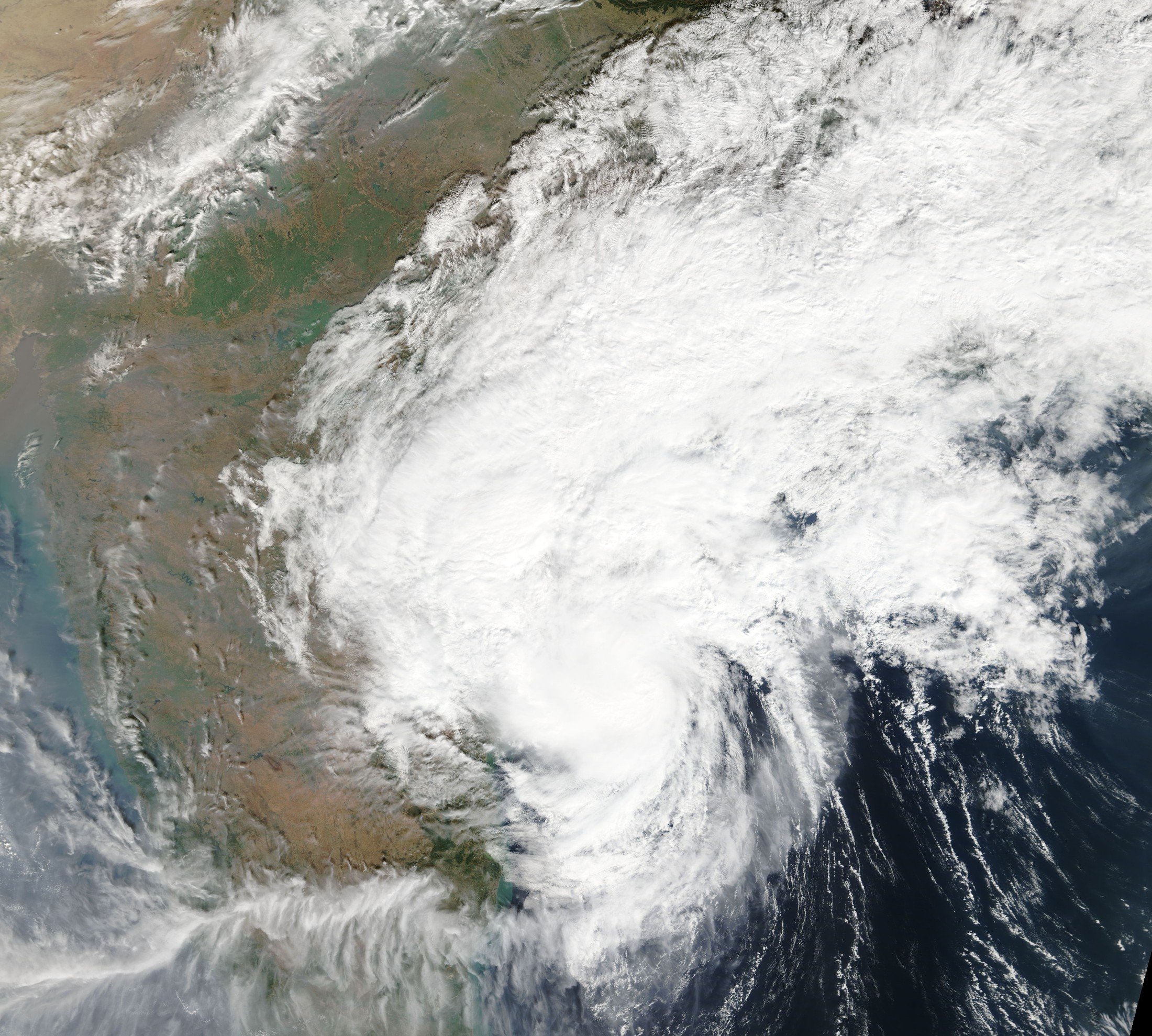
Cyclone Arnab struck India's eastern coastline on Wednesday, October 28, 2026, bringing powerful winds, intense rainfall and widespread disruption across coastal areas of Andhra Pradesh and neighbouring Odisha. More than 180,000 people were evacuated from vulnerable communities ahead of the storm's arrival as authorities worked to prevent casualties and protect residents living in low-lying regions. The India Meteorological Department classified Arnab as a very severe cyclonic storm during its approach, and the system made landfall along the Andhra Pradesh coast before moving inland. Strong winds uprooted trees, damaged electricity poles and interrupted power supplies, while heavy rainfall created dangerous conditions on roads and in coastal settlements.
State authorities launched extensive emergency preparations, including the opening of temporary shelters, deployment of disaster-response personnel and restrictions on fishing activities. In Andhra Pradesh, thousands of fishing boats were secured before the cyclone approached, and medical teams were positioned to support evacuation centres and affected communities. Several schools were closed as a precaution, while rail and flight services experienced cancellations and disruptions. Emergency workers were deployed to clear fallen trees, restore electricity and maintain access to essential services. Officials reported no immediate loss of life in either state in the initial assessments, although damage to infrastructure and property was still being evaluated.
Meteorological officials warned that the risks associated with the cyclone would not end immediately after landfall, because heavy rainfall, strong winds and localised flooding could continue as the system weakened over land. Coastal residents were advised to follow official warnings and avoid travelling through flooded roads or approaching damaged electrical infrastructure. The disaster has highlighted the importance of early-warning systems, evacuation planning and coordination between state governments and national disaster-management agencies. The next phase of the response will focus on restoring essential services, assessing losses to homes and infrastructure, and supporting families displaced by the storm.